A commercial lift that starts working after a reset is not necessarily safe to use. You need to isolate the equipment, distinguish a control fault from a mechanical or glass-panel hazard, and obtain test records before anyone returns it to service.
Key takeaways
- Cancel calls and isolate the lift before anyone approaches the shaft.
- Classify the fault from alarms, position and symptoms without opening equipment.
- Use separate controls for dumbwaiter loads and passenger glass-elevator risks.
- Release the lift only after testing, records and a signed service decision.
What to do in the first minutes after the breakdown
Stop the dumbwaiter immediately: cancel calls, stop loading and prevent anyone from operating the controls. Keep people away from landing doors, the car doors and the shaft.
1. Isolate electrical or hydraulic energy under your documented lockout/tagout procedure. Apply the site’s locks and warning tags, and record who applied them. Do not rely on a control-panel stop button.
2. Secure every landing against access. Barricade or lock each opening, and do not open a door to inspect the shaft. Repeated resets can erase fault evidence and let an intermittent interlock, loose terminal or failing limit switch recur.
3. Record the last fault, controller code, last known car position, door status, unusual sound or smell, recent loading event, and whether goods or a person remain inside. Photograph the display and landing condition without entering the equipment.
4. Give the commercial dumbwaiter service provider the building address, lift type, rated load, number of floors and whether the car contains a trapped load. State whether the lift is electric or hydraulic and identify any visible damage.
Nobody should enter the shaft, climb onto the car, bypass an interlock, manually release a brake or recover goods without a qualified lift technician. Do not attempt a manual release because a car that appears stationary can move without warning.
How to classify the fault without opening the equipment
1. Classify the fault from symptoms and safe visual checks before anyone touches the equipment. Record damaged glass, cracked or loose panels, bent landing doors, an uneven car position, oil on the floor or in the shaft, water ingress, a burning smell, unusual sounds, or a car stopping short of a floor.
2. A power failure points to the supply, isolator or controller power circuit. An overload points to the rated load being exceeded or an obstructed car. A door-interlock failure points to misalignment, a damaged actuator, contaminated contact or a wiring fault; a sill obstruction points to debris or a damaged track.
3. Escalate immediately for broken or stretched ropes, chains or other suspension components, controller faults, final-limit activation or brake faults. Keep the lift isolated if the brake cannot hold, the car position is unreliable, a door lock cannot be verified, or suspension parts are damaged. Do not treat a reset as a repair.
4. For hydraulic equipment, separate electrical faults from oil leakage, low reservoir level, contaminated oil, valve drift, hose damage and cylinder-seal leakage. A hydraulic car slowly settling at a landing indicates leakage or valve bypass; topping up oil alone does not fix it. This distinction is central to safe dumbwaiter lift maintenance.
5. Do not remove guards or open controllers. Facilities staff must not bridge an interlock, enter the shaft or attempt internal testing; have a qualified lift technician diagnose the fault.
Why dumbwaiter and glass-elevator breakdowns need different controls
A dumbwaiter and a glass passenger elevator cannot be diagnosed as one generic lift. A dumbwaiter’s trapped or shifting load, car dimensions, shutters, landing sills, ropes or chains, counterweights and equipment-specific controls create risks that passenger-lift procedures do not cover. Never use it for passenger recovery or fit unapproved passenger-lift parts.
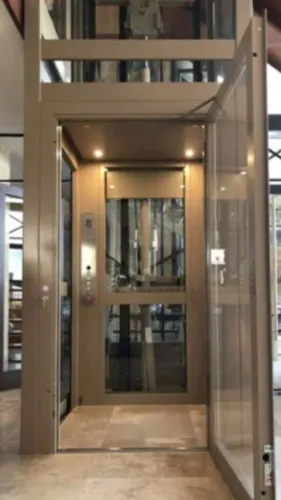
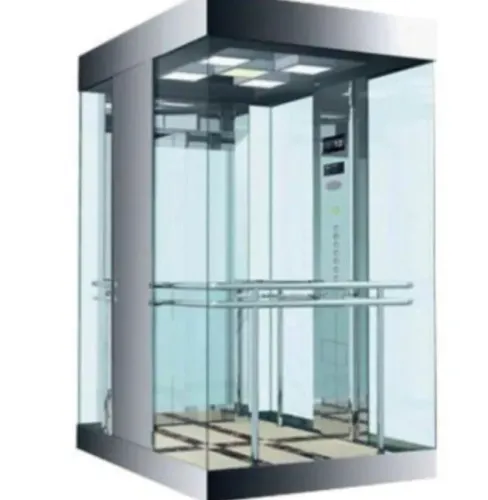
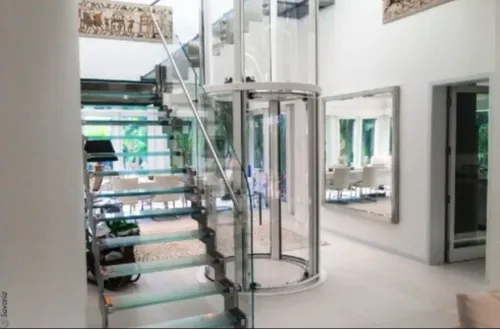
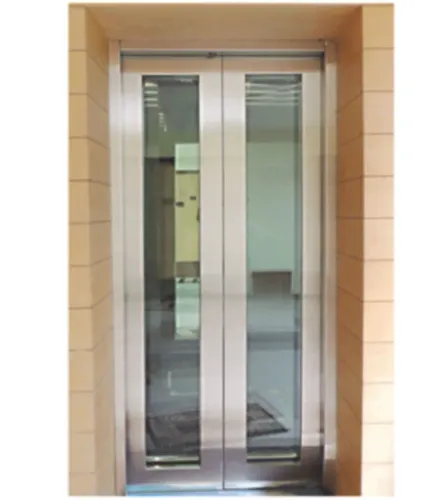
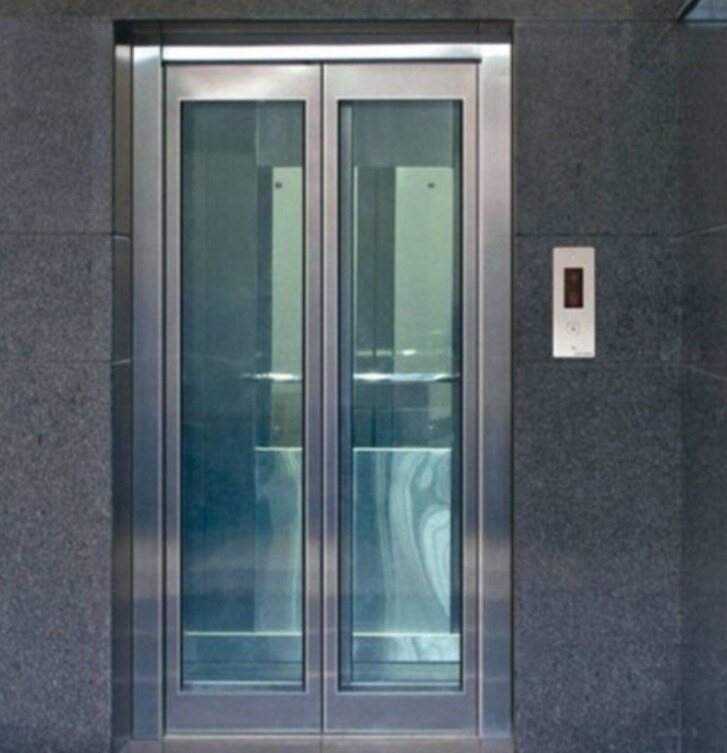
A glass elevator adds passenger entrapment and the mass of exposed glazing. That mass can shift alignment loads onto rollers, hinges, door operators and interlocks. Inspect and record chips, cracks, edge damage, laminated-glass delamination, failed seals and loose retainers; replace damaged safety glass with the specified assembly, not ordinary architectural glass.
After impact or panel replacement, recheck:
- Panel support and clearances
- Door closing force and sill alignment
- Interlock engagement
- Retainers, rollers, hinges and door-operator alignment
Keep either lift isolated if a brake cannot hold, a door lock cannot be verified, car position is unreliable, a rope or chain or other suspension component is damaged, hydraulic oil is leaking into the shaft, a safety device is defeated, or retained glass is cracked. Do not accept manual operation as a repair.
The phrase glass elevator maintenance in vadodara identifies a service location, not a technical category. The correct controls still depend on the actual lift type, rated load, controller, door system and glazing specification.
What a proper commercial repair and recommissioning visit includes
1. Isolate the site under documented lockout/tagout. Secure every landing, keep people away from doors and the shaft, and control any recovery of goods; only a qualified lift technician may enter, release, or move the car.
2. Diagnose before resetting. Read controller fault history and inspect final limits, brake holding, rope or chain condition, guide components, sheave grooves, rope tension and anchorages on traction equipment. A reset or empty-car run proves nothing.
3. For hydraulic equipment, separate electrical faults from oil leakage, valve bypass, low reservoir level, hose damage and cylinder problems. A settling car needs hydraulic diagnosis, not an oil top-up alone.
4. Repair the confirmed cause, then perform load testing where permitted. Check guarding, counterweight or moving-part protection, and contamination at sills, tracks, sensors, ventilation paths and terminals in food-service, dusty, humid or wash-down areas. Clean only by the maker’s approved method.
5. During commercial dumbwaiter service, test every landing call, each door or shutter lock, start and stop, full travel, obstruction response, rated-load behaviour, emergency recovery, brake slip, rope slip, hydraulic settling, overload response and structural deflection. Record measured results.
6. Complete dumbwaiter lift maintenance with documented return to service: list defects, repairs, tests, remaining restrictions and the authorising technician. Do not release the lift because it runs empty; vibration, load and door movement can expose an intermittent interlock, loose terminal or failing limit switch.
Which records and service decision should release the lift
Authorise use only when a signed service record shows what failed, what was measured, what was tested and who accepted the risk. Request:
- Fault report with equipment serial number, rated load, recorded symptoms and measured values
- Replaced-part list, including part numbers where available
- Safety devices tested and the test results
- Outstanding defects, technician sign-off, person authorising return to service and next-service date
| Service status | Meaning | Decision |
|---|---|---|
| Released for use | Tests passed and no safety-critical defect remains | Authorise use within the stated limits |
| Restricted use | A documented limitation remains, such as reduced load or unavailable landing | Use only under that written control |
| Out of service | Further repair, parts or approval remains necessary | Isolate the lift and do not reset it into operation |
The paperwork must explicitly say if the lift remains out of service pending further work. “Serviced” or “reset” alone does not prove that post-breakdown risk was closed.
Set inspection frequency from duty cycle, number of landings, load pattern, travel, environment, technology and manufacturer instructions. High-use commercial units need condition-based checks between scheduled visits, not just calendar appointments.
For dumbwaiter lift glass elevator maintenance in vadodara, dumbwaiter elevator repair in vadodara and glass elevator maintenance in vadodara, compare experience with the actual controller, rated load, door system, glazing and Indian or local approval requirements.
This is where to evaluate Krisha engineering, after verifying its audited service page because the supplied product copy does not establish these records.
Related products
 | Dumbwaiter Elevator Krisha Engineering Dumbwaiter Elevator We are the largest supplier of Dumbwaiter Elevator are small freight elevators (or lifts) intended to carry objects rather than people. View product → |
 | Dumbwaiter Elevator Goods lifts are specially designed lifts that enable efficient transportation of goods and materials between different floors in buildings or... View product → |
Frequently asked questions
What should you do first after a commercial dumbwaiter breakdown?
Cancel all calls, stop loading, prevent control use and keep people away from landing doors, car doors and the shaft.
How can you classify a lift fault without opening the equipment?
Record the alarm, car position, door condition, unusual sounds, recent load and control-panel indications without entering the shaft or machinery space.
Why do dumbwaiter and glass-elevator breakdowns need different controls?
Dumbwaiters require load, access and goods-handling controls, while glass elevators require passenger protection, visibility, entrapment response and protection of glazed surfaces.
What should a commercial repair and recommissioning visit include?
The visit should cover isolation, fault diagnosis, component repair, safety-device testing, door and travel checks, controlled test runs and documented recommissioning.
What records and decision should release the lift?
Release it only after recording the fault, work completed, test results, defects, authorised operator and a clear decision that the lift is safe for service.
Related product
 | Commercial Lift Krisha Engineering Commercial Goods Lift Commercial Goods Lifts The offered Commercial Goods Lifts is made available by us that is a machine to lift goods vertically in a safe way. View product → |
Keywords