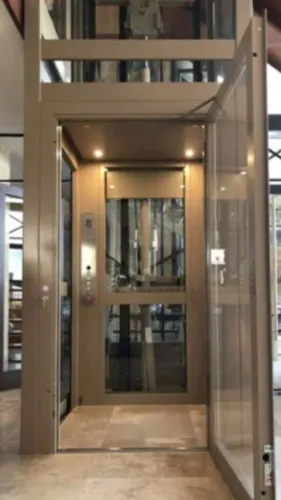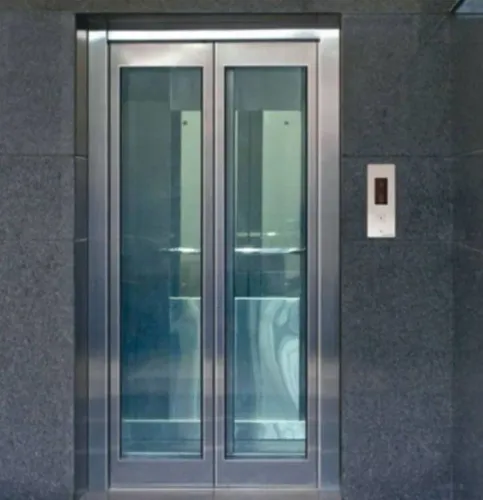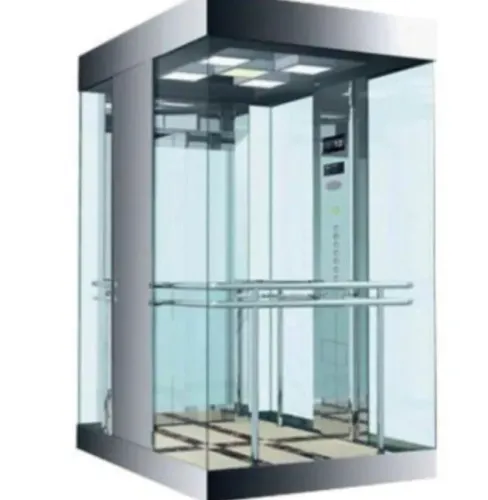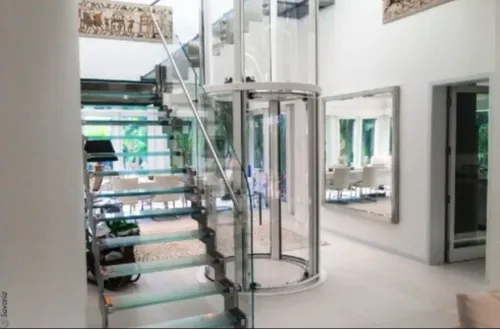
A glass elevator can fit a compact residence and still create problems with summer heat, monsoon water, dust, privacy, cleaning access and structural alterations. By checking the glazing specification, full installation envelope, climate protections and alternative lift types, you can decide whether a glass elevator suits your home before construction begins.
Key takeaways
- Specify laminated safety glass with UV control and protected edges.
- Measure the shaft, pit, headroom and door clearance before selecting a lift.
- Choose a stair lift or platform lift when space is severely restricted.
- Compare warranty, maintenance, power backup and statutory documents line by line.
Why glass creates extra problems in Vadodara homes
Expect small home glass elevator problems in vadodara to start with heat, grit and water rather than the glass itself. A transparent cabin or shaft in direct summer sun can become much hotter than an opaque enclosure, while glare makes controls and landing indicators difficult to read.
Tinted or coated glass reduces solar gain, but it does not replace shading, ventilation or suitable cabin thermal design.
| Vadodara exposure | Likely operating problem | What to provide |
|---|---|---|
| Summer sun | Hot cabin, thermal trips, faded seals and uncomfortable waiting | External shading, ventilation and heat-resistant equipment |
| Dust and grit | Dirty photocells, blocked sill grooves, noisy doors and nuisance safety faults | A reachable cleaning route and sealed, serviceable door tracks |
| Monsoon rain | Water in pits or tracks, slippery landings and corrosion of fasteners or guides | Drainage, waterproofing, covered landings and corrosion-resistant components |
These glass elevator home problems worsen when the shaft has no practical access for cleaning. Dust can settle on transparent panels and obscure sensors; frequent washing also leaves moisture around door hardware if drainage is poor. Privacy becomes another issue when the lift faces a street, neighbouring plot or bedroom window.
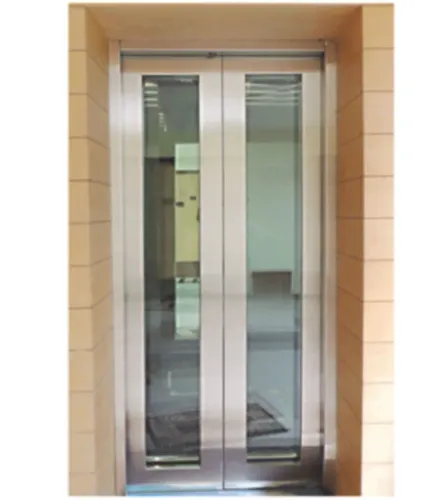
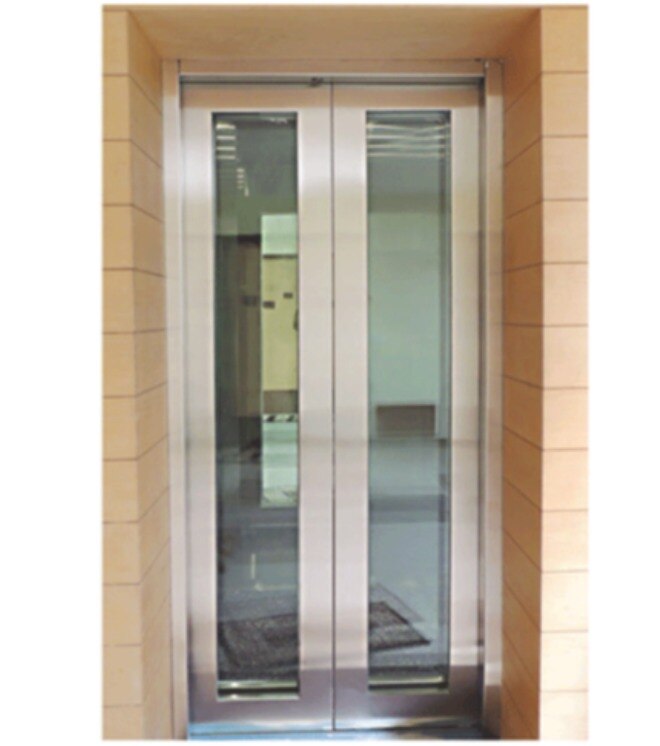
Do not approve “toughened glass” as a complete specification. Ask for the glass type, thickness, interlayer, edge protection, retention method and replacement procedure; laminated safety glass stays held together after cracking, while toughened glass can lose its load-bearing integrity when broken.
A glass enclosure also does not remove the need to check pit waterproofing, structural reactions and safe rescue access.
What glass specification protects people and controls maintenance
Do not approve a panel marked only “toughened glass.” Specify the glass build-up, thickness, edge protection, fixing method and test documentation. Toughened glass breaks into small fragments, but it can lose its barrier function after impact; laminated glass stays attached to its interlayer and gives occupants more time to remain protected.
| Option | Safety and visibility | Maintenance consequence |
|---|---|---|
| Annealed glass | Avoid where passengers could be exposed to breakage | Large sharp shards; not an acceptable safety-glazing choice |
| Laminated glass | Best for retaining fragments after impact; clear or tinted | Heavier, costlier, and replacement needs matching interlayer and thickness |
| Toughened glass | Good impact and thermal resistance before failure; fragments on breakage | Entire panel may need replacement after failure; specify retention |
| Polycarbonate | Light and impact-resistant; less glass-like appearance | Scratches, yellows and distorts unless its grade and cleaning method are controlled |
| Opaque panel | Removes glare, privacy and most glass-cleaning exposure | No visual transparency; compare its fire, corrosion and impact rating |
Ask for the glass thickness, interlayer type, edge finishing, gasket or frame retention, solar-control coating, test certificates and a written replacement procedure. The procedure must state how the cabin is secured, who removes fragments and how long a matching panel takes to arrive.
These details prevent glass elevator home problems, but glass remains only one part of the decision. Compare the complete installed envelope: shaft, pit, overhead, guide rails, counterweight, landing-door zone, electrical supply, rescue access and maintenance space.
Also price approved cleaning chemicals, safe access equipment and annual inspection; abrasive tools and hard-water deposits quickly turn transparent panels into a recurring service task.
How much space a compact glass lift really needs
A compact residential elevator needs a measured installation envelope, not just a small cabin. Record the shaft’s clear internal width and depth, cabin width and depth, pit depth, overhead from the top landing to the highest obstruction, landing-door opening and swing or sliding zone, guide-rail and counterweight space, and maintenance access.
Use the manufacturer’s certified layout; there is no universal “minimum” that safely fits every drive system.
- Shaft: measure finished internal dimensions, wall thickness, plumbness, rail brackets and any beam crossing the enclosure.
- Cabin: measure usable floor area, door opening, handrail intrusion and wheelchair turning space.
- Pit: verify the specified depth, sump or drainage arrangement, waterproofing and safe access below the lowest landing.
- Overhead: measure clear height above the car, including beams, slab thickness, buffers and rescue access.
- Doors: reserve the landing opening, sill, door operator, swing or sliding travel and clear standing space outside each landing.
- Services: allow routes for electrical supply, earthing, emergency communication, ventilation and technicians’ access.
Do not test an existing house by cutting a slab or excavating beside a foundation. Have a structural engineer review drawings, then scan slabs for reinforcement and services, trace beams and columns, check the proposed rail and machine reactions, and confirm the load path to foundations.
A non-destructive survey and a temporary layout marked on the floor can expose door and turning conflicts before construction. If the survey cannot accommodate the specified pit, overhead or service clearance, change the lift technology or location rather than weakening the structure.
This approach protects a small home lift in Vadodara from an expensive retrofit failure.
When a stair lift or platform lift is the better choice
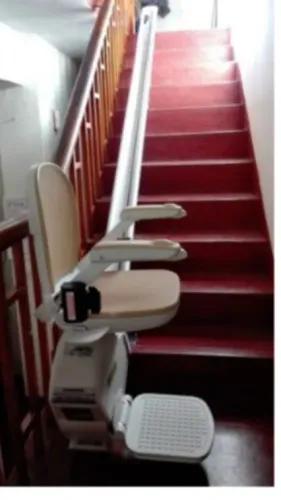
A stair lift is the better choice when the user can transfer into a seat and the staircase is the simplest route. Choose a platform lift when wheelchair access must continue through the journey. A compact residential elevator suits higher loads, more cabin space and frequent two- or three-storey use.
| System | Access and attendant space | Load, travel and speed | Building work, exposure and maintenance |
|---|---|---|---|
| Stair lift | Requires a transfer; provides no wheelchair or attendant space | Personal loads only; follows the stair line and travels slower between floors | Usually needs no pit or overhead. Each landing needs boarding clearance; outdoor rails require protection from rain, dust and corrosion. |
| Vertical platform lift | Carries a wheelchair and one attendant if the platform, door opening and controls are sized for both | Moderate loads; suitable for limited vertical travel and slower than an elevator | Needs landing gates, an enclosure and structural fixing. A pit or overhead can be shallow or absent only when the model permits it; outdoor installation needs drainage, sealing and corrosion checks. |
| Compact residential elevator | Provides the best wheelchair, attendant, handrail and reversing space; verify the clear door width | Higher loads and smoother, faster travel over two or three storeys | Requires the specified pit, overhead, guide rails, landing doors and rescue access. Glass adds cleaning and heat exposure; all systems need scheduled servicing. |
For a small home lift in Vadodara, do not compare only the car footprint. Measure landing changes, shaft enclosure, electrical access, outdoor exposure and maintenance access. Select the elevator only when its extra space and upkeep solve a problem that a stair or platform lift cannot.
How to compare a Vadodara lift quotation before committing
A quotation is comparable only when it states the installed envelope, not just the cabin size. For a small home lift in vadodara, require drawings showing shaft, pit, overhead, guide rails, counterweight, landing doors, machine access and structural reactions. A glass enclosure does not remove these loads or clearances.
Ask for these items in writing:
- Lift type, rated load, speed, travel, cabin dimensions, door arrangement, pit depth and overhead clearance.
- Slab openings, beam or column effects, pit excavation, waterproofing, shaft bracing and who provides structural calculations and approvals.
- Supply voltage, connected load, phase requirement, earthing, control-panel location, surge protection and backup power requirements.
- Rescue procedure after power failure, battery lowering or manual release, trapped-passenger communication, and who can perform the release.
- Gujarat inspection, licensing, electrical and building-authority responsibilities, plus any fire-safety conditions for the residence.
- Warranty duration, maintenance visits, emergency response time, exclusions, annual charges, replacement-glass lead time and spare-parts availability.
| Quotation area | Require a measurable statement | Risk if absent |
|---|---|---|
| Technical | Rated load, speed, travel, dimensions and drawings | A “compact” lift may not fit safely |
| Electrical | Voltage, load, earthing and backup specification | Nuisance trips or unsafe outages |
| Service | Visit frequency, response time and exclusions | Repairs become uncertain and expensive |
| Lifecycle | Glass replacement process, parts availability and AMC price | Small home glass elevator problems in vadodara become long shutdowns |
Ask Krisha engineering to identify each responsibility rather than accepting “standard installation” in the quotation. A low price that excludes civil work, approvals or rescue equipment is not a lower-cost lift.
Related products
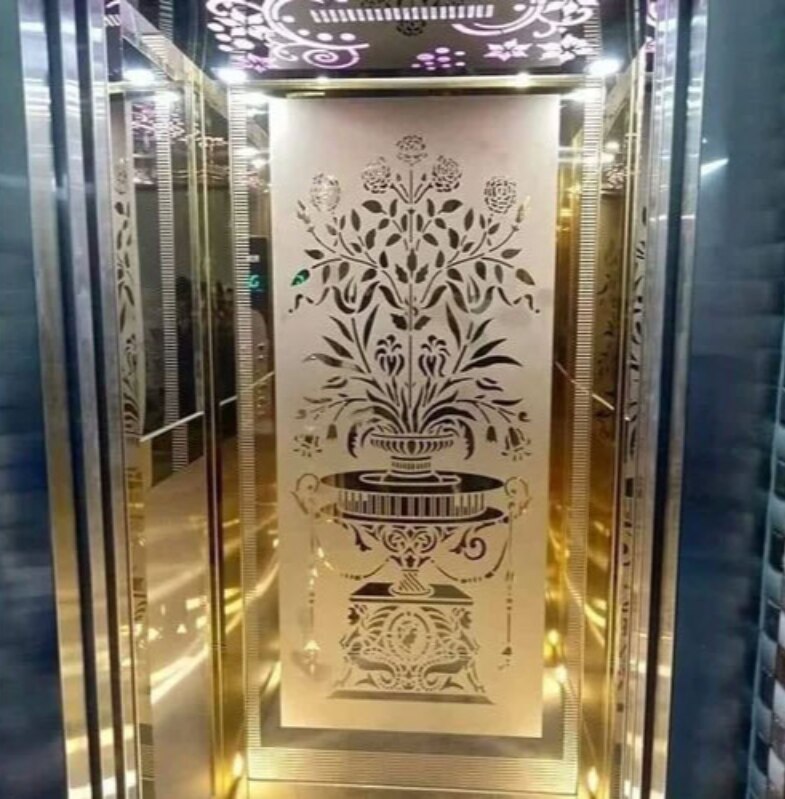 | Residential Elevator Krisha Engineering Small Home Lift The Small Home Lift is a small vertical lifting solution for your home. View product → |
 | Residential Elevator Residential Elevator is a lift system designed for use in private homes to provide vertical transportation between floors. View product → |
Frequently asked questions
Why do glass elevators create extra problems in Vadodara homes?
Direct summer sun increases cabin heat, while glare, dust, grit and monsoon water add cleaning, visibility and maintenance demands.
What glass specification protects people and controls maintenance?
Ask for laminated safety glass, UV and solar-control performance, sealed or protected edges, accessible cleaning surfaces and documented impact performance.
How much space does a compact glass lift need?
Confirm the complete layout, including shaft dimensions, pit or pitless arrangement, overhead headroom, door swing or sliding clearance, controller space and rescue access.
When is a stair lift or platform lift better than a glass elevator?
Choose a stair lift for one seated user on an existing staircase, or a platform lift for wheelchair access when a full enclosed elevator would consume too much space.
How should you compare a Vadodara lift quotation?
Compare usable cabin size, rated load, travel, speed, power supply, emergency lowering, warranty, maintenance scope, civil work, exclusions, delivery timeline and required licences.
Related products
 | Passanger Lift Krisha Engineering Automatic Passenger Elevator We are manufacturer and supplier of an extensive assortment of Home Lifts, Goods Lift, Capsule Elevators, Corporate Lifts, Passenger Elevators, etc. View product → |
 | Home Lift Krisha Engineering Manual Door Passenger Lift Elevate the mobility experience within your building with Krisha Engineering Manual Door Passenger Lift. View product → |
 | Capsule Passenger Lift Hydraulic Capsule Passenger Lift Hydraulic Capsule Passenger Lift is a contemporary and fashionable elevator system meant to transport individuals between levels while providing a... View product → |
Keywords