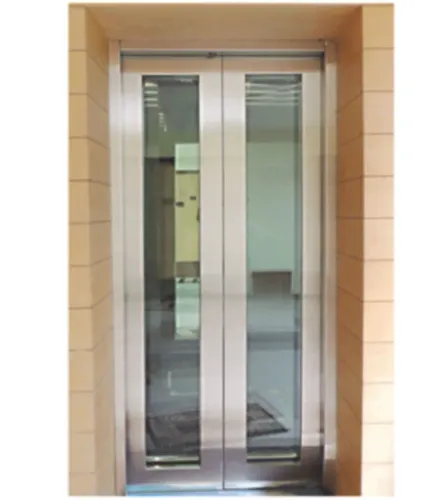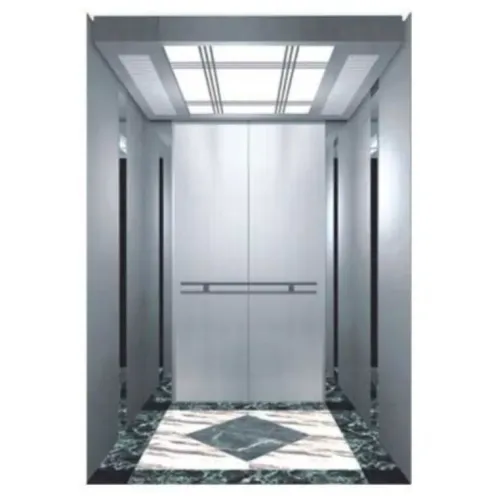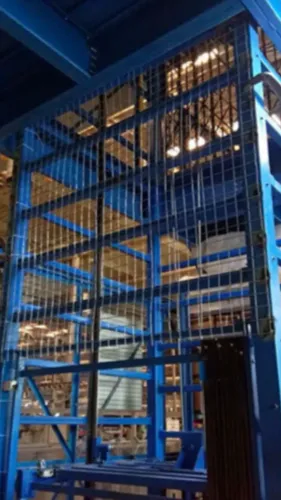
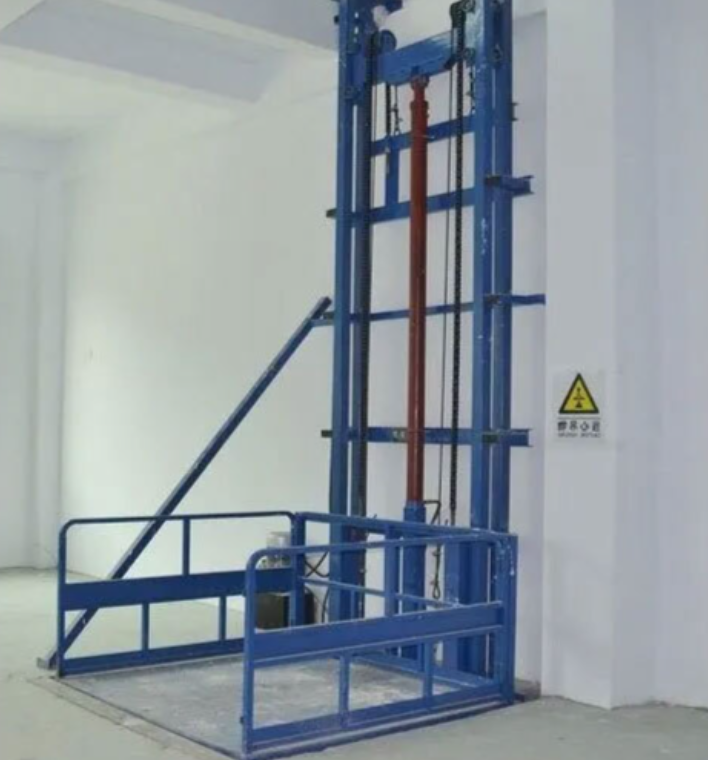
Warehouses are increasingly expected to store more inventory while maintaining fast receiving, picking, replenishment, and dispatch operations. When storage or processing extends across multiple levels, vertical movement can become one of the most important links in the workflow. A properly selected Warehouse Cargo Lift can connect these levels without forcing teams to depend on inefficient manual material movement.
For warehouses and distribution facilities in Vadodara, evaluating a cargo lift should begin with operational data.
Map the Material Journey
Start by identifying where goods arrive, where they are stored, and where they eventually leave the facility.
If the lift connects receiving with upper-level storage, its requirements may differ from equipment serving order picking or dispatch.
Create a simple material flow map showing:
- Receiving point
- Temporary staging area
- Lift loading location
- Destination floors
- Storage or processing zones
- Dispatch route
This exercise often reveals congestion that would otherwise be missed during equipment selection.
Determine the Real Load Envelope
The load envelope includes both weight and dimensions.
Warehouse operators should measure pallets, bins, cages, trolleys, racks, and any handling equipment that will enter the lift.
Do not assume that a standard platform dimension will automatically accommodate the warehouse's existing handling system.
Door opening width and height are equally important.
Calculate Peak Movement Demand
Warehouse activity is rarely uniform.
Seasonal demand, dispatch deadlines, incoming shipments, and production schedules can create peaks.
Estimate the number of lift movements required during busy periods. A lift that appears adequate based on daily averages may create queues when several teams need it simultaneously.
This is especially relevant for logistics and industrial operations in Gujarat that handle fluctuating dispatch volumes.
Examine Landing Layout
Efficient loading requires enough space outside the lift.
Workers should be able to position trolleys or goods without blocking aisles or creating conflicts with other warehouse traffic.
Where pallet trucks or similar equipment are used, turning space and floor conditions should also be reviewed.
Door orientation can sometimes improve flow by allowing goods to enter from one direction and leave from another, depending on the building configuration and lift design.
Match Controls to Operational Use
Controls should support straightforward, predictable operation.
The exact arrangement depends on the equipment design and intended use, but warehouse managers should discuss how calls are made, how landing access is controlled, and what operating indicators are provided.
Safety interlocks and overload protection should also be understood by the people responsible for daily operation.
Consider the Installation Environment
Warehouses can expose equipment to dust, temperature variation, frequent loading activity, and occasional impact risks around entrances.
Site conditions should be communicated during planning so the lift is specified for the actual operating environment.
Krisha Engineering works with cargo and goods lifting requirements in Vadodara, where warehouses can range from compact commercial storage buildings to larger industrial facilities.
Evaluate Long Term Support
A cargo lift becomes part of the warehouse's internal logistics infrastructure. Downtime can therefore affect replenishment, picking, or dispatch.
Before selection, understand routine inspection requirements, preventive maintenance expectations, service access, and operating responsibilities.
The most useful cargo lift is not simply one capable of carrying the heaviest possible load. It is one that matches the warehouse's pallets or trolleys, peak movement frequency, landing configuration, available space, and workflow.
By studying these factors before finalizing equipment, warehouse owners can make vertical material movement a planned part of logistics rather than a recurring operational bottleneck.
Keywords