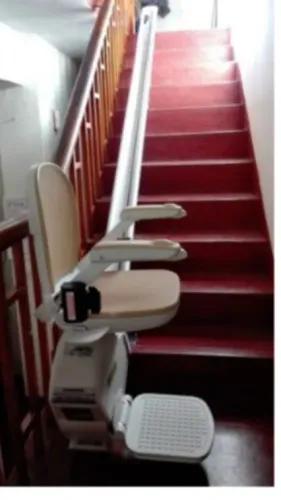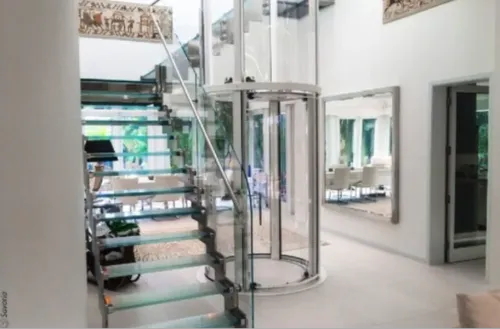
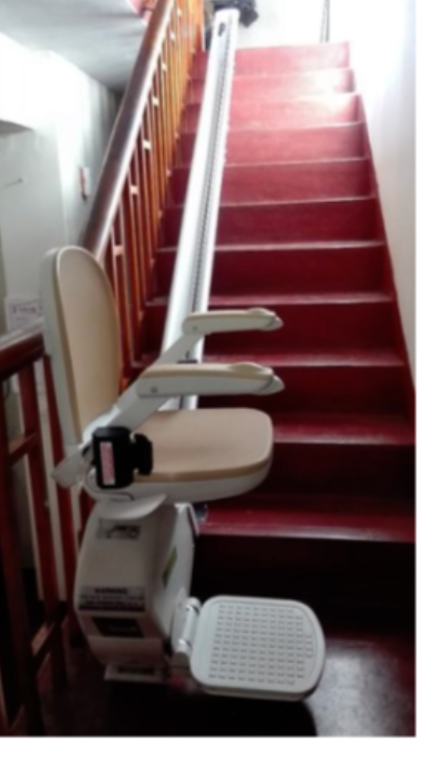
Stairs can become a significant barrier for people with reduced mobility even when the rest of a property remains comfortable and familiar. In some buildings, installing a full passenger elevator may not be practical because of structural limitations, space, project scope, or the specific accessibility requirement. This is when evaluating a Stair Lift Manufacturer may become relevant.
For homes and selected properties in Vadodara, the decision should begin with the user, the staircase, and the building conditions.
The User Has Difficulty Using Stairs Regularly
Occasional tiredness and persistent mobility difficulty are different situations.
A stair lift may be considered when an individual finds repeated stair use challenging because of age or reduced mobility but still needs access to another floor.
The equipment should be evaluated according to the intended user's needs rather than selected only from photographs or generic specifications.
Remaining in the Existing Home Is Important
Families sometimes consider relocating a bedroom or changing homes when an elderly relative can no longer comfortably reach an upper floor.
Where the existing property otherwise meets the family's needs, improving vertical accessibility may be another option worth evaluating.
A stair lift can be particularly relevant where the objective is to provide access along an existing staircase without creating a conventional elevator shaft.
The Staircase Needs a Site Assessment
Not all staircases are identical.
Important factors include:
- Stair width
- Straight or curved configuration
- Landing arrangement
- Available clearance
- Start and end positions
- Nearby doors or passages
- Structural conditions
- Electrical requirements
A physical assessment helps determine whether the proposed arrangement can be integrated without creating new circulation problems.
Other People Still Need to Use the Stairs
A staircase usually remains in daily use by other members of the household.
The proposed equipment should therefore be evaluated in relation to remaining stair clearance and normal movement.
This becomes especially important in narrower residential staircases.
Controls Need to Be Easy to Understand
Accessibility equipment should be straightforward for its intended user.
Control positioning, entry and exit, seating arrangement where applicable, and operating procedure should all be discussed.
Family members should understand basic operation and what to do if assistance is needed.
The Project Has Clear Expectations
Before contacting a provider, homeowners can prepare several details:
- Photographs and approximate dimensions of the staircase
- Number of floors involved
- Staircase shape
- Intended user's mobility requirements
- Preferred start and stop points
- Available nearby electrical supply
- Any access constraints around the staircase
These details help make the initial discussion more productive, although they do not replace a proper site assessment.
Maintenance Has Been Considered
Accessibility equipment needs to remain dependable for the person relying on it.
Owners should understand recommended inspection, maintenance arrangements, operating limitations, and service accessibility.
Selecting equipment without considering after-installation requirements can create inconvenience later.
Provider Selection Should Be Site Specific
Krisha Engineering serves lift requirements in Vadodara and can assess whether a proposed lifting arrangement corresponds with the available building conditions and intended application.
Homeowners should expect a provider to ask detailed questions rather than recommend equipment solely on the basis of a phone enquiry.
A staircase accessibility project is ready for detailed evaluation when the intended user has been identified, the route is clear, site dimensions can be assessed, and the family understands how the equipment will fit into everyday movement.
For properties across Vadodara and surrounding Gujarat areas, these readiness indicators provide a practical starting point for determining whether a stair lift is an appropriate accessibility solution.
Keywords