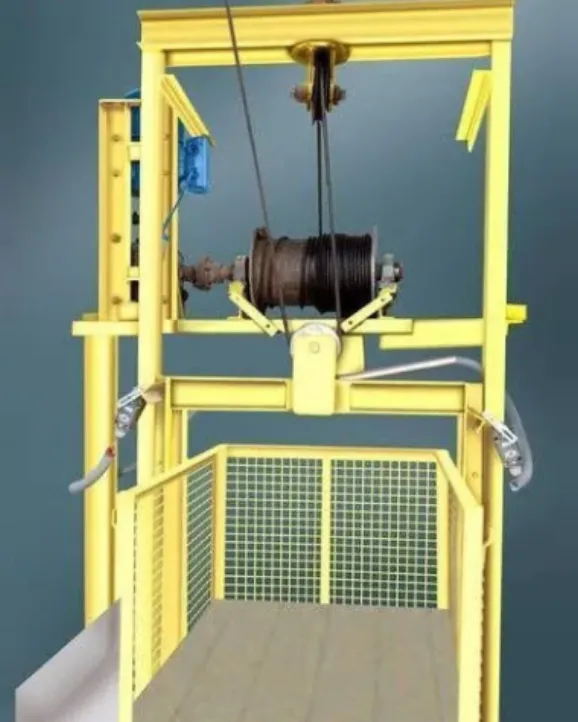
Moving heavy materials between floors is a routine requirement in warehouses, factories, commercial buildings, storage facilities, retail properties, and industrial units. When these loads are handled manually or moved using equipment not designed for the purpose, the process can become slow, labour-intensive, and difficult to manage. A Cargo Elevator provides a dedicated vertical transportation system designed specifically for goods and material movement.
For businesses and construction projects in Vadodara, Gujarat, understanding how cargo elevators work can help during the early stages of building planning, expansion, or material-handling improvement.
What Is a Cargo Elevator?
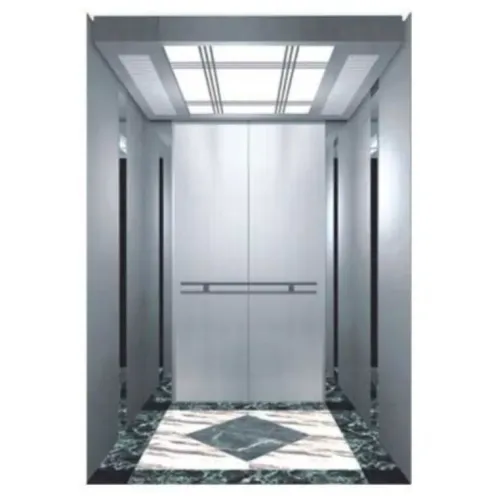
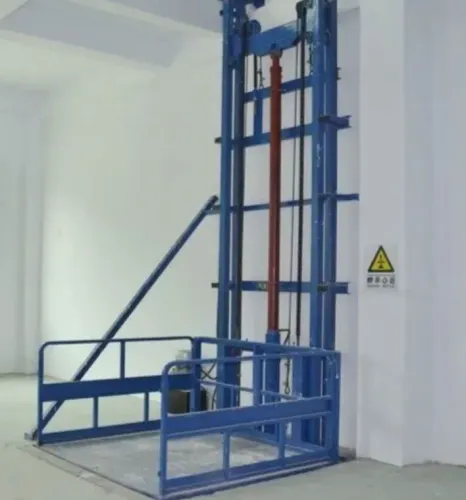
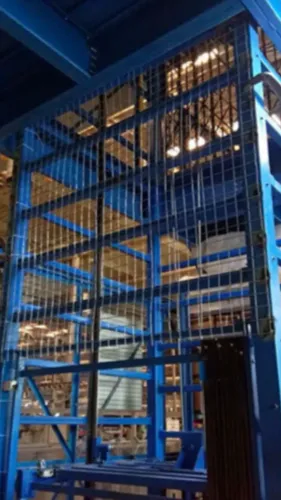
A cargo elevator is designed primarily to transport goods rather than passengers. Its construction, cabin dimensions, load capacity, doors, controls, and operating mechanism are selected according to the type of material being transported.
Depending on the application, cargo elevators may handle:
- Cartons and packaged products
- Raw materials
- Industrial components
- Pallets
- Machinery parts
- Retail inventory
- Food and hospitality supplies
- Construction materials
- Warehouse goods
Unlike a standard passenger elevator, the priority is usually load handling, durability, usable cabin space, and practical loading access.
Why Load Capacity Matters
One of the first considerations when planning a cargo lift is its rated load capacity. Choosing capacity simply on the basis of today's average load can create limitations later.
The assessment should consider the heaviest expected load, dimensions of individual items, loading equipment, frequency of operation, and possible future requirements.
For example, a warehouse that regularly moves loaded trolleys needs sufficient cabin space as well as adequate weight capacity. A manufacturing unit moving machine components may require a different configuration even when the total load weight appears similar.
Cabin Dimensions Affect Practical Use
Capacity alone does not determine whether an elevator is suitable.
The dimensions of the goods being transported matter equally. Long packages, large crates, industrial trolleys, and pallets require sufficient cabin depth, width, and door opening.
Before finalizing dimensions, businesses should measure typical loads and consider how employees will move them into and out of the elevator.
A cabin that technically carries the required weight but has an inconvenient door opening can create unnecessary operational problems.
Door Configuration Requires Careful Planning
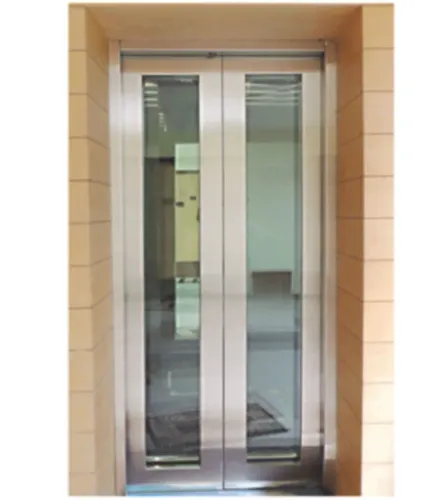
Cargo elevators can be configured with different entrance arrangements depending on the building layout.
A property may need an entrance on one side at every floor, while another building may benefit from openings on opposite sides to improve material flow.
Door selection should account for:
- Available landing space
- Material dimensions
- Loading method
- Traffic movement
- Safety requirements
- Frequency of use
These details are easier to accommodate when considered during building design rather than after construction is substantially complete.
Cargo Elevators Can Improve Workflow
Efficient vertical material movement can have a noticeable effect on everyday operations.
A dedicated Cargo Elevator can reduce unnecessary manual carrying, simplify movement between storage and production areas, and help separate goods traffic from passenger movement.
This becomes particularly valuable in busy facilities where materials move repeatedly throughout the working day.
Planning for Vadodara Properties
Industrial development, warehouses, hospitals, commercial establishments, and multi-level properties across Vadodara can have very different material-handling requirements.
The elevator specification therefore needs to reflect the actual building rather than relying on a standard configuration.
Important project information includes floor-to-floor height, number of stops, available shaft dimensions, electrical requirements, expected load, operating frequency, and entrance arrangement.
Maintenance Access Should Not Be Overlooked
An elevator becomes part of the property's long-term infrastructure. Planning should therefore consider inspection and maintenance requirements from the beginning.
Components need to remain accessible for routine servicing, adjustment, and repair. Building owners should also understand recommended maintenance intervals and operating procedures.
Good preventive maintenance can help identify wear before it develops into more disruptive problems.
A System Designed Around Actual Material Movement
The most useful cargo elevator is not necessarily the one with the highest capacity. It is the system whose dimensions, capacity, controls, doors, and operating characteristics correspond to the materials being transported.
By evaluating loads and building conditions carefully, property owners in Vadodara, Gujarat can plan vertical material movement that supports everyday operations without unnecessarily oversizing or complicating the system.
Keywords