Property owners often encounter several lift technologies when planning vertical movement, and the differences can become confusing when discussions focus only on technical terminology. Working with a Hydraulic Lift Manufacturer becomes more productive when buyers first understand how hydraulic systems differ in application, space requirements, travel characteristics, and operating needs.
For projects in Vadodara, the appropriate choice depends on the building and intended use rather than on one technology being universally better.
How Hydraulic Lift Movement Works
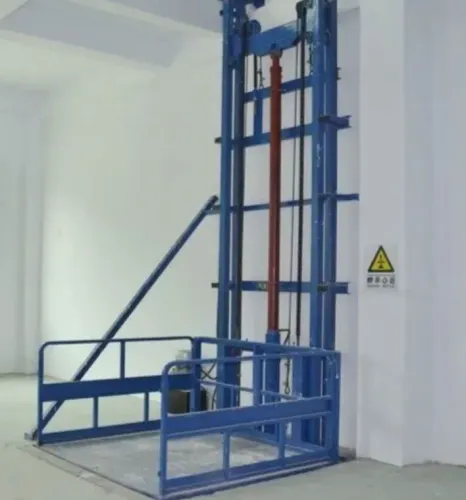
A hydraulic lift uses hydraulic pressure as part of the mechanism that moves the lift.
The operating arrangement differs from other elevator technologies that may rely on traction-based systems. This difference influences equipment layout, travel characteristics, installation planning, and maintenance requirements.
Hydraulic solutions are commonly considered for certain low-rise applications and material handling requirements, although suitability must be assessed for each project.
Compare the Required Travel
The number of levels and total travel distance are important starting points.
A system suitable for relatively short vertical movement may not be the preferred arrangement for a substantially taller building with frequent passenger traffic.
Before comparing technologies, define:
- Total travel height
- Number of stops
- Required load capacity
- Platform or cabin dimensions
- Expected usage frequency
- Desired operating characteristics
These parameters provide a much more meaningful basis for evaluation.
Space Conditions Can Influence the Decision
Every lift installation interacts with the building differently.
Available shaft area, pit conditions, overhead space, equipment location, and structural constraints need to be reviewed.
In an existing factory or commercial property, the available installation space may strongly influence which configuration is practical.
New developments have greater flexibility because lift requirements can be coordinated during architectural planning.
Consider the Type of Load
Passenger movement and heavy material handling should not automatically be treated as the same application.
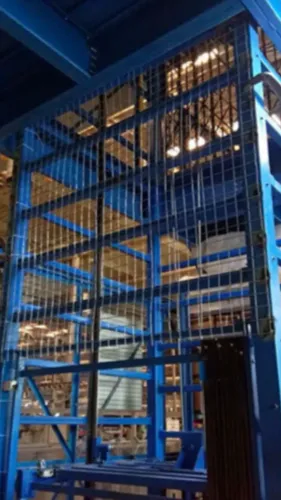
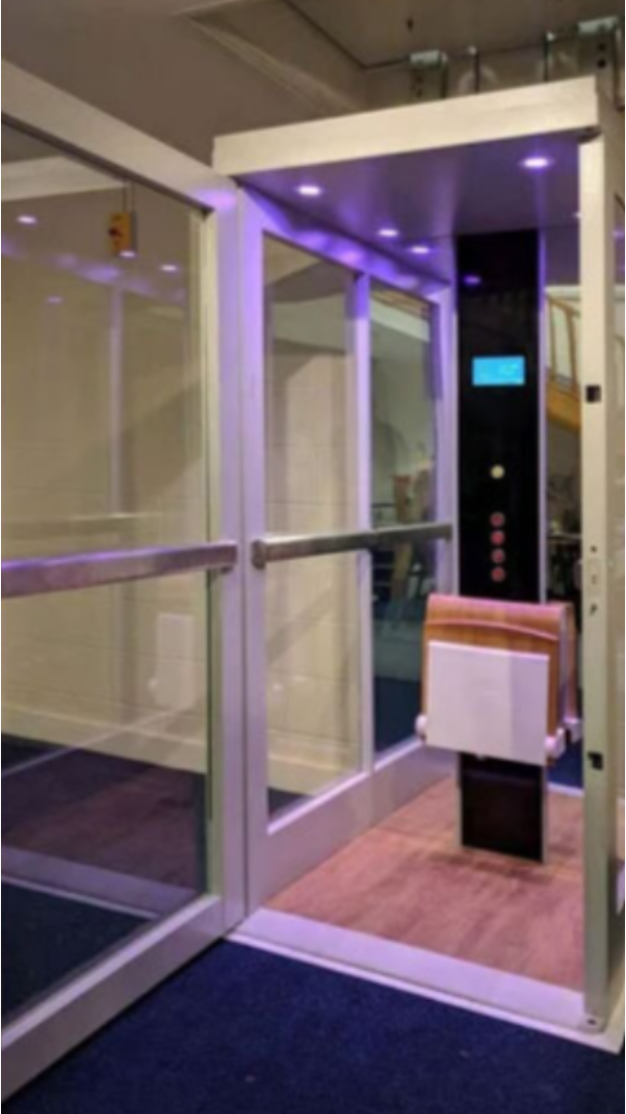
A warehouse moving loaded trolleys between two levels has very different priorities from a commercial property transporting visitors throughout the day.
Hydraulic systems may be evaluated for various lifting applications, but load characteristics and intended use should guide equipment design.
Operating Frequency Matters
Buyers should estimate how often the lift will run during normal and peak conditions.
A lightly used system and equipment operating repeatedly throughout an industrial shift experience different duty demands.
This information should be communicated clearly to the manufacturer rather than relying on a rough statement such as regular use.
For industrial businesses around Vadodara, production schedules can help estimate realistic movement frequency.
Maintenance Should Be Included in the Comparison
Purchase price alone provides an incomplete comparison between lift technologies.
Long-term evaluation should consider maintenance requirements, inspection accessibility, component support, operating environment, expected usage, and the consequences of equipment downtime.
For a manufacturing facility, even a short interruption to material movement can affect production. For a commercial building, downtime can inconvenience occupants and visitors.
Avoid Choosing Technology Before Site Assessment
It is easy to decide that a particular lift technology sounds appropriate after reading general product descriptions. The problem is that site conditions can change the recommendation.
Krisha Engineering works with lift projects in Vadodara where factors such as available space, capacity, travel, building structure, and operating purpose need to be evaluated together.
A useful comparison therefore starts with the application and works backward toward the technology.
Rather than asking whether a hydraulic or conventional system is better in general, property owners should ask which configuration can meet their required capacity, travel, usage pattern, building constraints, safety considerations, and maintenance expectations.
That approach produces a decision based on the real property instead of assumptions about lift technology.
Keywords