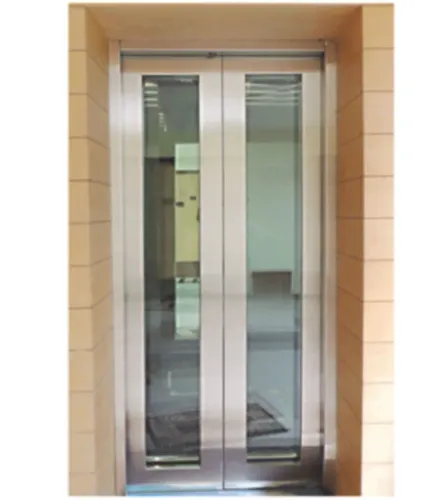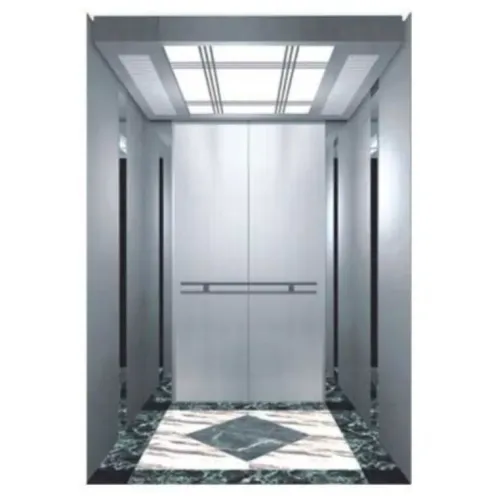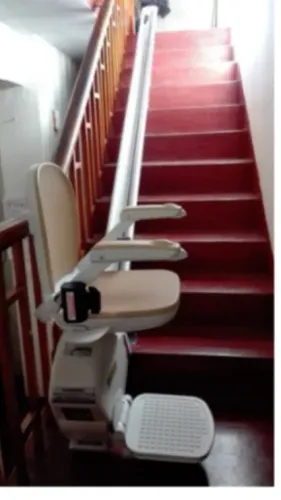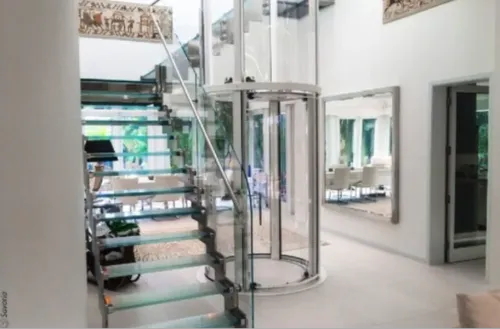
A lift in a commercial building does much more than move people between floors. It affects visitor convenience, accessibility, traffic flow, waiting time, and the overall usability of the property. Selecting a Commercial Passenger Lift therefore requires more thought than simply deciding how many people the cabin should accommodate.
In Vadodara, commercial properties range from offices and retail buildings to hotels, educational facilities, clinics, mixed-use developments, and business complexes. Each building creates a different passenger movement pattern, and the lift should be planned accordingly.
Passenger Traffic Determines the Requirement
A small office building may experience concentrated movement in the morning, during lunch hours, and at closing time. A retail property may experience more continuous traffic throughout the day.
Hotels, clinics, and educational buildings introduce their own movement patterns.
Understanding these patterns helps determine:
- Suitable passenger capacity
- Number of lifts required
- Expected travel frequency
- Number of stops
- Door opening requirements
- Cabin dimensions
- Appropriate operating arrangement
Simply installing a lift without considering traffic can result in queues during peak periods or equipment that is oversized for actual use.
Cabin Size Is Only Part of Passenger Capacity
Passenger capacity is usually associated with the number of occupants a lift can carry, but usable space also matters.
People may enter with luggage, shopping bags, equipment, or other belongings. Some commercial environments also need to accommodate wheelchair users comfortably.
The entrance width, cabin arrangement, control position, and circulation space outside the lift should therefore be considered together.
Accessibility Should Be Planned From the Beginning
Modern commercial buildings increasingly need to support people with different mobility requirements.
A well-planned passenger lift can make upper floors more accessible to elderly visitors, wheelchair users, people recovering from injuries, and anyone who finds stairs difficult.
Accessibility considerations may include conveniently positioned controls, suitable door openings, adequate cabin space, landing access, and clear operating indicators.
These elements are much easier to integrate during planning than to address after construction is substantially complete.
Building Layout Influences Lift Performance
Architects and developers should coordinate lift requirements with the building design early.
The number of floors, floor-to-floor height, available shaft dimensions, pit depth, headroom, entrance orientation, and machine requirements can influence equipment selection.
Leaving lift planning until late in the construction process may require compromises in cabin size or structural changes.
For commercial projects across Vadodara and surrounding areas of Gujarat, early coordination between the architect, structural team, contractor, and lift provider can simplify installation planning.
User Experience Matters
Passengers notice several aspects of a lift even if they know nothing about its technical design.
Smooth travel, comfortable entry and exit, intuitive controls, appropriate lighting, cabin ventilation, reliable door operation, and interior finishing all contribute to the experience.
A premium interior is not a substitute for correct engineering, but finishes can be selected to complement the character of a commercial property once the functional requirements have been established.
Maintenance Planning Protects Long-Term Usability
Commercial passenger lifts may complete many journeys every day. Regular inspection and preventive maintenance therefore play an important role in long-term operation.
Building owners should understand service accessibility, routine maintenance requirements, component support, and procedures for reporting operating issues.
Krisha Engineering works with lift requirements for commercial properties in Vadodara, taking into account building conditions and expected passenger use before the final configuration is established.
A commercial passenger lift works best when capacity, accessibility, building layout, passenger traffic, safety provisions, and long-term maintenance are considered as one system. For property owners and developers, making these decisions early can create a building that remains practical for occupants well beyond its opening day.
Keywords