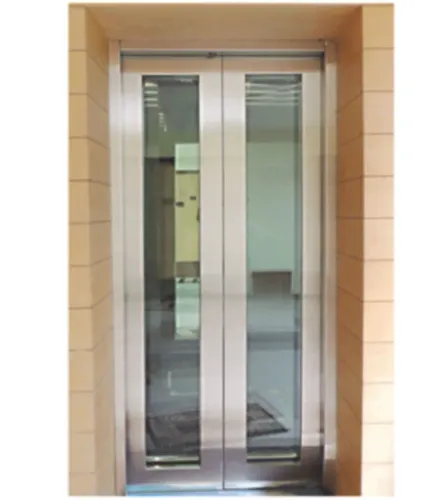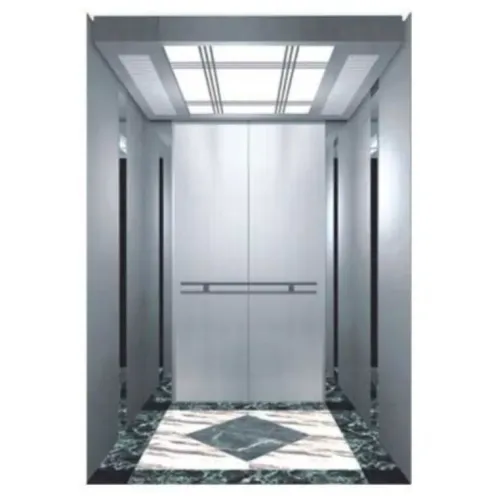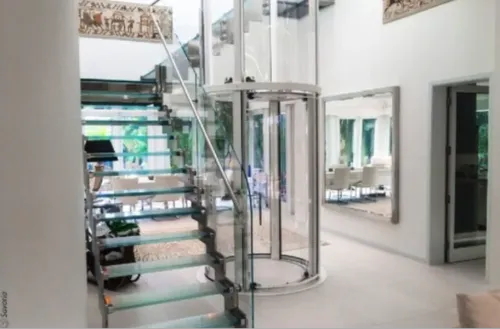
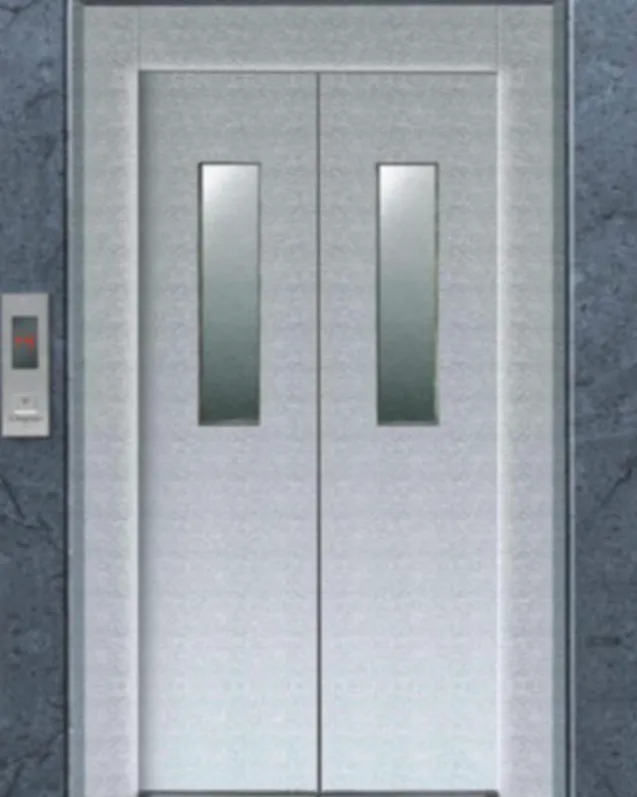
Elevator doors influence almost every passenger journey. They determine how users enter and leave the cabin, affect traffic flow at landings, and form an important part of the lift's operating sequence. An Auto Door Elevator uses powered doors that open and close automatically as part of normal elevator operation.
This configuration is widely considered in residential developments, offices, hotels, hospitals, commercial properties, and other buildings where convenience and regular passenger movement are important.
How Automatic Elevator Doors Work
When an elevator reaches the selected floor and operating conditions are satisfied, the door system opens automatically. After the permitted boarding period, the doors close before the elevator continues its journey.
Sensors and other safety components are incorporated according to the elevator configuration so that the door system can respond appropriately during operation.
This eliminates the routine need for passengers to manually open or close the elevator door.
Automatic Doors Support Smoother Traffic
Door operation becomes particularly noticeable in buildings with frequent passenger movement.
Imagine an office during arrival time or a residential tower during busy evening hours. If every passenger has to handle the lift door manually, boarding can become less convenient.
Automatic operation creates a more consistent entry and exit sequence.
This can be useful in:
- Apartment buildings
- Office complexes
- Hospitals
- Hotels
- Shopping properties
- Institutional buildings
- Mixed-use developments
The benefit becomes more noticeable as lift usage increases.
Accessibility Is Another Consideration
Passengers may be carrying bags, pushing mobility aids, handling luggage, or assisting another person.
Automatic doors reduce one physical action during boarding.
For hospitals, clinics, senior-friendly properties, and accessible building designs, this can be particularly useful. However, overall accessibility still depends on cabin dimensions, control placement, landing access, door width, and the complete passenger route.
Door Width Should Match Building Use
Selecting an Auto Door Elevator involves more than deciding whether the doors should operate automatically.
The opening needs to suit the intended users.
A residential property may have different requirements from a hospital where wheelchairs or patient movement must be considered. Likewise, a commercial building experiencing concentrated traffic may require different planning from a small low-rise property.
Door width, cabin dimensions, passenger capacity, and expected traffic should be evaluated together.
Different Automatic Door Configurations
Automatic elevator doors can be designed in different arrangements depending on available space and lift specifications.
The appropriate configuration depends on shaft dimensions, entrance width, architectural constraints, and traffic requirements.
Rather than selecting a door purely for appearance, architects and developers should consider how the complete entrance arrangement affects usable cabin access.
Maintenance Influences Long-Term Performance
Elevator doors are among the most frequently operated components in a passenger lift.
Regular inspection is therefore important.
Door tracks, sensors, rollers, operators, alignment, and other moving components may require periodic attention. Dirt or obstruction around entrances should also be addressed rather than ignored.
Users should never attempt to force malfunctioning elevator doors manually.
Planning for Vadodara Buildings
Residential and commercial construction across Vadodara, Gujarat includes everything from private low-rise buildings to apartments, hospitals, offices, hotels, and larger commercial developments.
The suitable elevator specification differs substantially between these properties.
Architects and developers should establish expected passenger traffic, number of floors, cabin size, entrance dimensions, operating frequency, and accessibility needs before finalizing the door configuration.
Convenience Comes From Coordinated Design
Automatic doors are useful, but they should not be treated as an isolated upgrade.
Their effectiveness depends on proper integration with the cabin, control system, landing arrangement, shaft dimensions, and expected passenger flow.
A well-planned Auto Door Elevator provides a smoother boarding experience because all these components have been considered as one system.
For projects in Vadodara, early coordination between building design and elevator requirements can help ensure the door system supports both everyday convenience and practical passenger movement.
Keywords