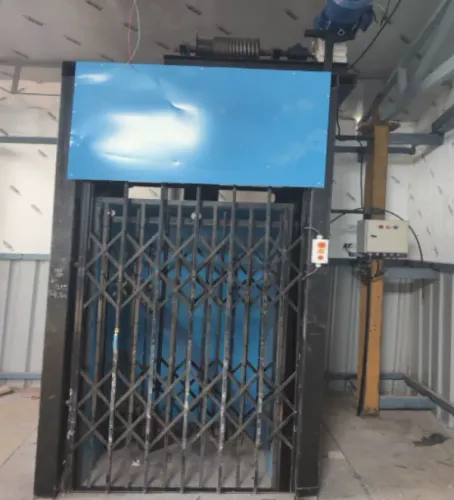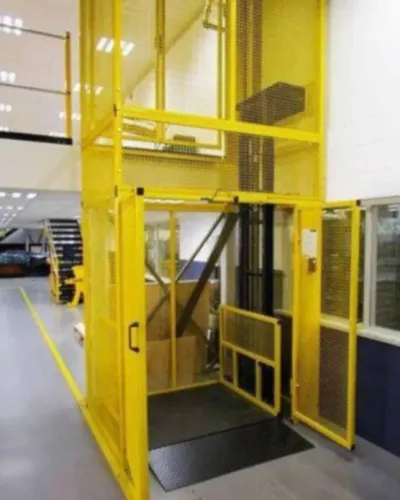



Elevators in healthcare facilities operate in an environment where dependable vertical movement is especially important. Patients, doctors, nurses, attendants, wheelchairs, medical equipment, supplies, and support staff may all need to travel between floors throughout the day.
Choosing a Hospital Elevator therefore requires a more application-specific assessment than simply selecting a conventional passenger lift with a larger cabin.
Start With Patient Movement Requirements
The first question should be what the elevator needs to transport.
Healthcare buildings may need to accommodate wheelchairs, stretchers, patients accompanied by staff, medical equipment, or combinations of these.
Cabin dimensions and entrance width need to support the intended movement without creating awkward loading conditions.
A small clinic and a multi-storey hospital will naturally require different specifications.
Evaluate Traffic Patterns
Healthcare traffic can occur throughout operating hours rather than only during predictable office peaks.
When planning capacity, consider:
- Number of floors
- Patient volume
- Staff movement
- Visitors
- Wheelchair traffic
- Stretcher requirements
- Support services
- Expected peak periods
Larger healthcare projects may also need to determine whether separate elevator functions are appropriate for different traffic categories.
Inspect Door Configuration
Hospital doors need to provide practical access for the intended users.
Opening width, automatic operation, landing clearance, and cabin dimensions should be evaluated together.
A spacious cabin with an inadequate entrance can still create difficulties when moving a stretcher or wheelchair.
Ask How the System Fits the Building
A provider should review architectural drawings or site conditions before final equipment selection.
Shaft dimensions, pit requirements, overhead space, number of stops, landing arrangement, electrical provisions, and structural conditions all influence feasibility.
For healthcare projects being planned in Vadodara, Gujarat, involving the elevator provider early can help architects coordinate these requirements before construction reaches an advanced stage.
Discuss Safety Clearly
A prospective Hospital Elevator manufacturer should be able to explain relevant safety provisions in understandable language.
Project teams should ask about equipment specifications, door safety, emergency arrangements, controls, installation practices, inspection requirements, and applicable standards.
Technical documentation should support rather than replace these discussions.
Examine Maintenance Capability
Healthcare facilities depend heavily on functioning infrastructure.
Elevator maintenance therefore deserves serious consideration during provider selection.
Ask:
- What preventive maintenance is recommended?
- How are service requests handled?
- Which components require periodic inspection?
- What spare-part support is available?
- How will technicians access service areas?
- What responsibilities belong to the facility team?
Understanding these details before purchase can improve long-term maintenance planning.
Compare Complete Proposals
Price comparisons are meaningful only when proposals cover equivalent specifications.
Review capacity, cabin dimensions, door opening, number of stops, travel, drive arrangement, controls, finishes, installation scope, electrical requirements, civil responsibilities, warranty terms, and maintenance provisions.
If one quotation is significantly lower, identify what differs before assuming it represents equivalent value.
Look for Healthcare Application Understanding
A provider does not need to make exaggerated claims about hospital specialization. What matters is whether the team asks the right questions about patient movement and building operations.
Krisha Engineering serves elevator requirements in Vadodara and can assess healthcare projects based on actual movement requirements, building dimensions, and expected usage.
A productive initial discussion should focus on the facility rather than immediately pushing a predefined elevator model.
Readiness Begins With Accurate Project Information
Healthcare developers can make the selection process more effective by preparing architectural drawings, number of floors, expected capacity, intended patient movement, available shaft dimensions, and project schedule before requesting a detailed proposal.
A properly selected Hospital Elevator should ultimately support safe, practical vertical movement within the healthcare environment while remaining maintainable throughout the building's operational life.