

Efficient material handling is essential for factories, warehouses, retail outlets, and commercial buildings that move heavy goods between floors. While forklifts and conveyors play an important role, they are not always practical for vertical transportation. This is where a hydraulic goods lift becomes a dependable solution. Designed to carry heavy loads safely and consistently, it improves workflow while reducing manual handling and workplace risks.
Businesses across Vadodara and Gujarat are increasingly investing in hydraulic goods lifts as they expand production capacity and optimise storage space. However, selecting the right system requires more than comparing specifications. Understanding operational requirements helps ensure long-term performance and value.
What Is a Hydraulic Goods Lift?
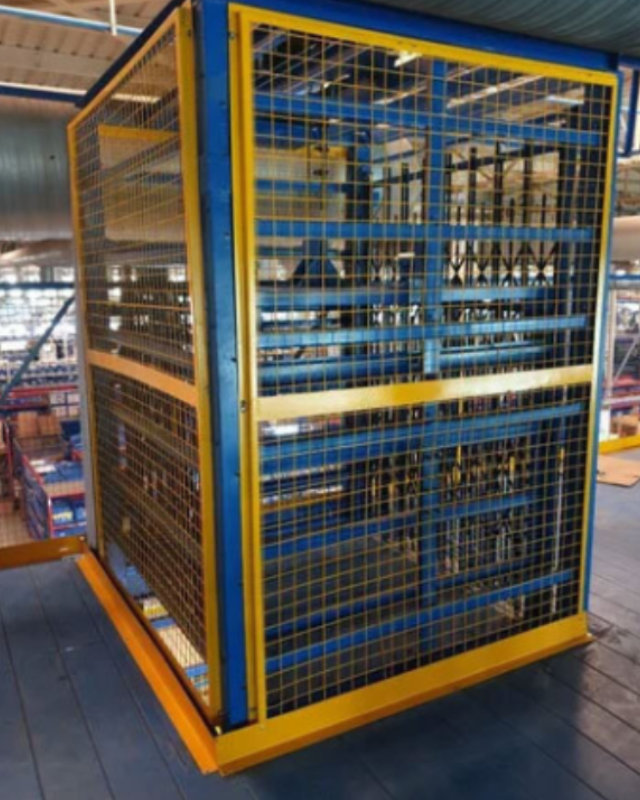
A hydraulic goods lift uses hydraulic pressure to raise and lower a platform carrying materials. These lifts are designed specifically for transporting goods rather than passengers, making them suitable for industrial and commercial environments where strength and reliability are essential.
Common applications include:
- Manufacturing plants
- Warehouses
- Distribution centres
- Automobile workshops
- Retail stockrooms
- Food processing units
- Pharmaceutical facilities
Their ability to handle heavy loads smoothly makes them a preferred choice across many industries.
Assess Your Load Requirements Carefully
Choosing the correct load capacity is the foundation of a successful installation.
Before selecting a hydraulic goods lift, evaluate:
- Maximum weight of goods
- Average daily load
- Size of pallets or machinery
- Frequency of operation
- Future expansion plans
A lift designed for the right capacity improves safety and reduces unnecessary wear on mechanical components.
Consider Platform Dimensions
Load capacity is only one part of the equation. The platform should also provide sufficient space for materials to be loaded and unloaded safely.
Key considerations include:
- Pallet dimensions
- Trolley access
- Forklift compatibility
- Equipment size
- Loading clearance
An appropriately sized platform improves operational efficiency and reduces handling time.
Prioritise Safety Features
A hydraulic goods lift should include modern safety mechanisms that protect workers, equipment, and transported materials.
Important safety features include:
- Overload protection
- Emergency stop buttons
- Door interlocking systems
- Hydraulic pressure safety valves
- Anti-fall protection
- Emergency lowering function
Routine safety inspections are equally important to ensure these features continue operating correctly throughout the lift's lifespan.
Evaluate Installation Conditions
Every building presents different installation challenges.
Before finalising the lift, assess:
- Available shaft space
- Floor-to-floor height
- Structural strength
- Electrical supply
- Loading and unloading areas
Early planning helps minimise construction delays and ensures the lift integrates efficiently into the facility's operations.
Think About Maintenance Costs
A hydraulic goods lift is a long-term investment, and maintenance plays a significant role in its overall value.
When comparing options, ask about:
- Preventive maintenance schedules
- Availability of replacement parts
- Service response times
- Warranty coverage
- Hydraulic oil inspection requirements
Regular servicing helps maximise equipment reliability while reducing unexpected downtime.
Energy Efficiency and Operational Performance
Modern hydraulic systems are designed to deliver dependable lifting performance while improving energy efficiency compared to older equipment.
Features such as efficient motors, advanced hydraulic controls, and intelligent operating systems contribute to smoother operation and lower operating costs over time.
For businesses operating multiple shifts, these improvements can have a measurable impact on productivity and running expenses.
Select an Experienced Engineering Company
The success of a hydraulic goods lift depends on proper engineering, installation, and long-term support. Every facility has unique operational requirements, and a customised approach often produces better results than standard off-the-shelf solutions.
Krisha Engineering works with industrial facilities, commercial property owners, architects, and project developers in Vadodara to evaluate operational needs before recommending suitable hydraulic goods lift systems. Their focus on engineering assessment helps ensure every installation aligns with safety standards and business objectives.
Choosing the right hydraulic goods lift improves workplace safety, streamlines material movement, and supports efficient daily operations. By evaluating load capacity, platform size, installation requirements, safety features, and maintenance support, businesses across Gujarat can invest in a lifting solution that delivers reliable performance and long-term operational benefits.