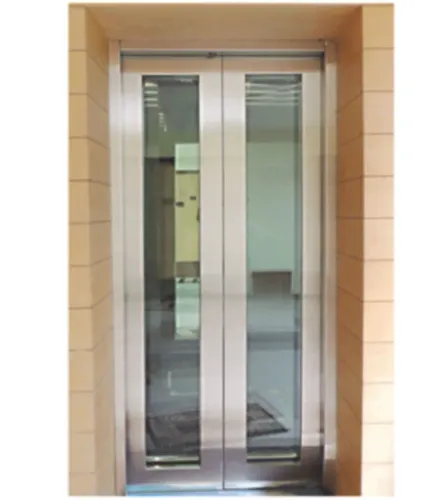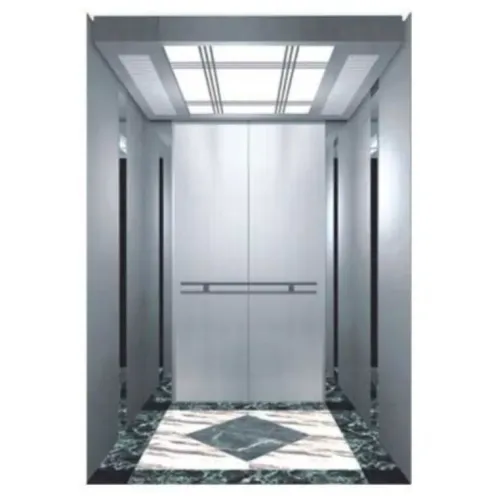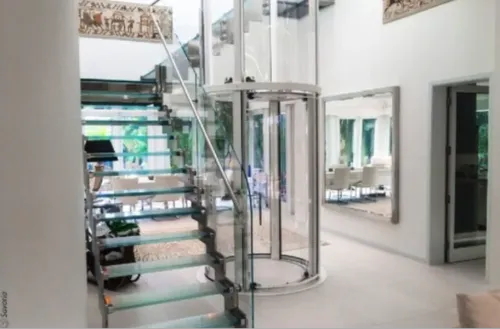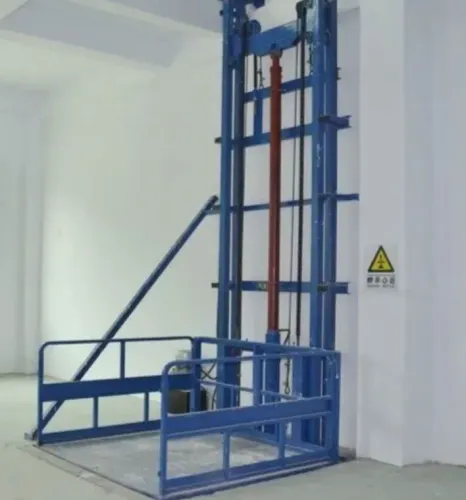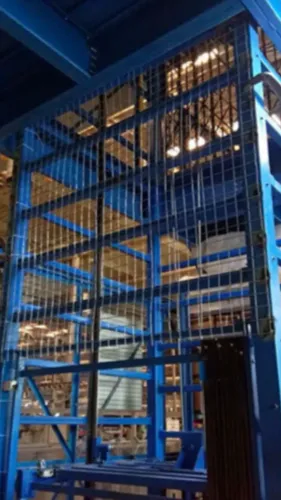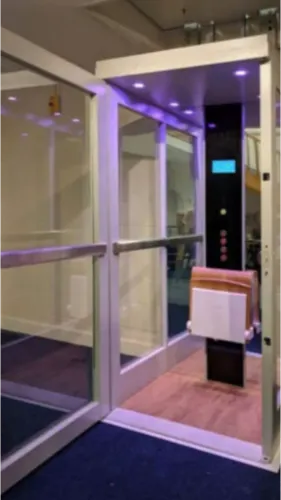
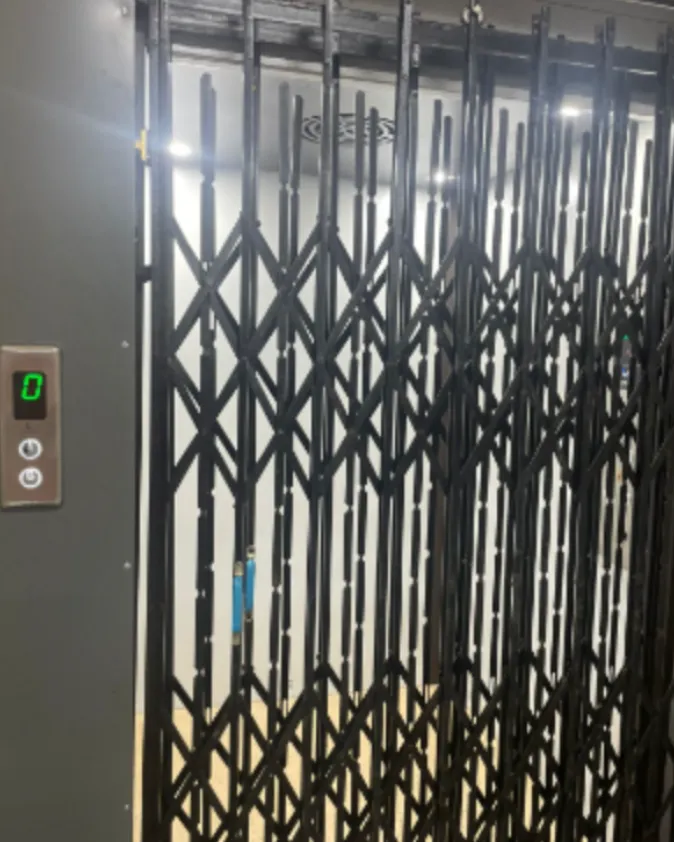
Factories, warehouses, stockrooms, workshops, retail storage areas, and commercial facilities often need to move substantial loads between relatively few levels. A Hydraulic Goods Lift can be considered for certain material-handling applications, but selecting one requires more than specifying the maximum load weight.
The lift needs to fit the building, the goods, and the operational workflow.
Begin With the Goods Being Moved
Before comparing equipment, document what will actually travel in the lift.
Record the maximum expected weight as well as the dimensions of the largest items.
Also determine whether goods will be moved:
- By hand
- On trolleys
- On pallets
- Using other material-handling equipment
- Individually
- In batches
This information influences cabin or platform dimensions, entrance size, capacity, and landing design.
Avoid Choosing Capacity Too Closely
If normal loads are already close to the proposed rated capacity, operational flexibility can become limited.
Businesses should establish realistic maximum loads and discuss them with the lift provider rather than deliberately underestimating weight to obtain a smaller specification.
Future operational changes should also be considered where reasonably foreseeable.
Measure Door Openings Carefully
A common specification mistake is focusing on load weight while overlooking load dimensions.
A wide pallet, trolley, or machine component needs an entrance large enough to pass through comfortably.
Measure the widest, tallest, and longest regular loads. Consider the turning area available outside the lift as well.
Assess Travel Requirements
Hydraulic goods lift suitability depends partly on the vertical travel and number of levels involved.
A low-rise warehouse connecting two working levels presents a different requirement from a taller multi-storey facility.
The provider should evaluate travel height, stops, load, operating frequency, and building conditions before recommending a configuration.
Consider Operating Frequency
A lift used occasionally for stock transfer has a different duty pattern from one supporting a continuous manufacturing operation.
Estimate:
- Trips per hour
- Hours of operation
- Peak movement periods
- Average load
- Maximum load
- Expected daily cycles
These details help ensure that the proposed Hydraulic Goods Lift is appropriate for real operating conditions.
Examine the Installation Area
Existing industrial buildings can present space constraints.
Columns, beams, production equipment, loading areas, floor openings, utility lines, and vehicle routes may all influence lift placement.
A physical site assessment is especially useful when installing equipment in an operational facility.
Plan Safe Loading Areas
The landing itself needs attention.
Workers require adequate space to approach, position, load, and remove goods without creating unnecessary congestion.
The interaction between the lift and surrounding material-handling process should therefore be considered as part of the design.
Account for Vadodara's Industrial Context
Vadodara and surrounding industrial areas in Gujarat contain manufacturing, engineering, warehousing, pharmaceutical, logistics, and commercial operations with widely different material-handling requirements.
This diversity makes standardized assumptions risky.
Krisha Engineering can evaluate the site, load characteristics, travel requirements, and available installation space when discussing goods lift configurations for such facilities.
Ask About Maintenance Access
Industrial equipment needs to remain serviceable.
Before finalizing a lift, understand where important equipment is located and how routine inspection will be performed. Ask about recommended maintenance, service support, and replacement components.
Downtime can affect production or dispatch operations, so maintenance planning deserves attention during procurement.
Select for Workflow Rather Than Capacity Alone
A Hydraulic Goods Lift should make material movement easier, not introduce a new bottleneck.
The appropriate specification balances load capacity, usable dimensions, entrance arrangement, travel, operating frequency, installation conditions, and long-term serviceability.
Factories and commercial facilities in Vadodara can make a stronger purchasing decision by documenting their material flow before requesting quotations. The more accurately the operating requirement is defined, the easier it becomes to evaluate whether the proposed lift genuinely fits the application.
Keywords