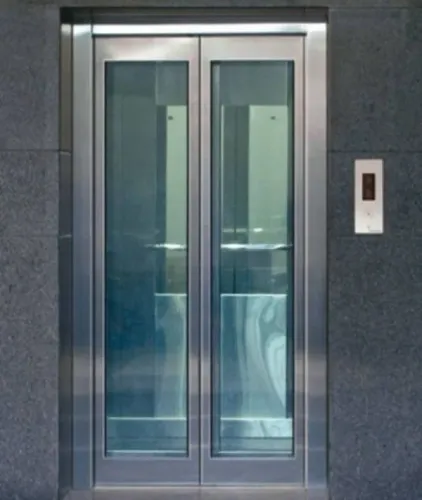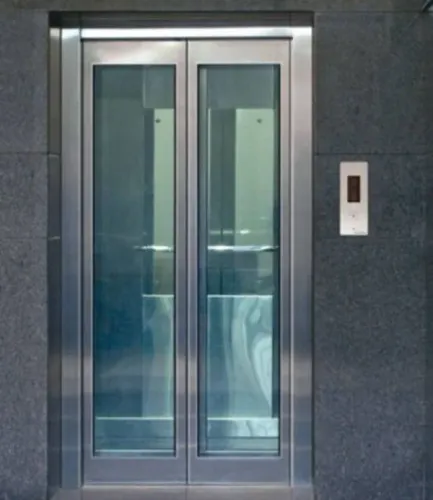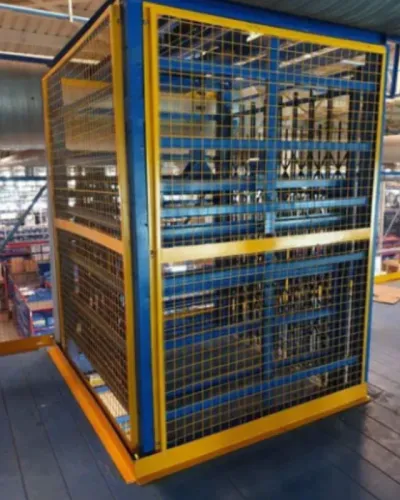


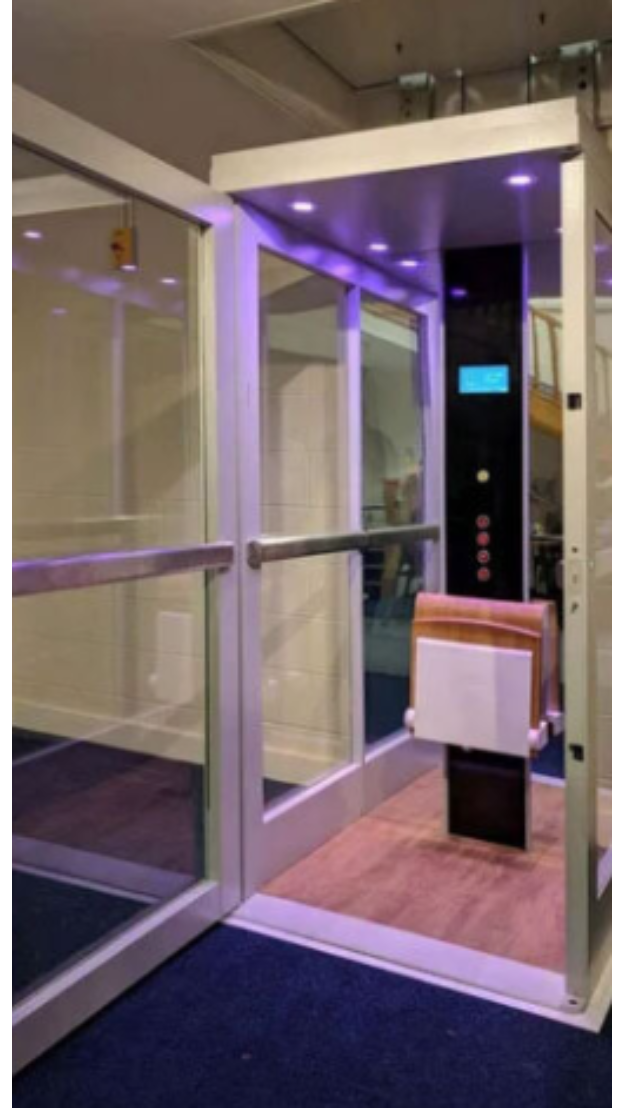
Selecting the right lift system involves more than comparing prices or capacities. One of the most common questions building owners, architects, and industrial facility managers ask is whether a hydraulic lift is the best option for their project. The answer depends on factors such as building height, usage frequency, load requirements, available space, and long-term maintenance expectations. Understanding these considerations makes it easier to evaluate a hydraulic lift manufacturer and choose a solution that fits your operational needs.
As commercial and industrial development continues across Vadodara and Gujarat, hydraulic lifts remain a preferred choice for many applications because of their smooth operation, high load capacity, and dependable performance.
How Does a Hydraulic Lift Work?
A hydraulic lift uses hydraulic fluid and a piston system to raise and lower the lift cabin or platform. Unlike traction lifts that rely on ropes and counterweights, hydraulic systems generate lifting force through fluid pressure.
This design makes hydraulic lifts particularly suitable for low- to mid-rise buildings where reliable lifting performance is more important than high travel speed.
Where Are Hydraulic Lifts Commonly Used?
Hydraulic lifts are widely installed in:
- Warehouses
- Manufacturing plants
- Hospitals
- Commercial buildings
- Residential villas
- Retail stores
- Automotive workshops
Their versatility allows them to serve both passenger and material transportation requirements depending on the application.
Advantages of Choosing a Hydraulic Lift
Many businesses and property owners choose hydraulic lifts because they offer practical benefits for specific building types.
Some of the key advantages include:
- Smooth and stable movement
- High lifting capacity
- Lower structural requirements
- Compact machine room options
- Reliable operation under heavy loads
- Suitable for customised installations
These characteristics make hydraulic lifts particularly valuable where space or structural limitations exist.
When Might Another Lift Type Be Better?
Although hydraulic lifts provide many advantages, they are not the ideal solution for every project.
A traction elevator may be more suitable if the building has:
- More than six or seven floors
- Continuous high-speed passenger traffic
- Very high daily usage
- Strict energy efficiency priorities for tall buildings
Understanding these differences helps building owners avoid selecting equipment that may not match future operational demands.
Factors to Compare Before Choosing a Hydraulic Lift Manufacturer
Not every manufacturer offers the same level of engineering expertise or project support. Before making a decision, compare providers based on several important criteria.
Look for:
- Engineering and design capability
- Safety certifications
- Customisation options
- Installation experience
- Availability of maintenance services
- Spare parts support
- Technical consultation during planning
A manufacturer that understands your industry can recommend a lift configuration suited to the building rather than offering a standard solution.
Maintenance Considerations
Hydraulic lifts are known for dependable operation, but regular servicing remains essential.
A preventive maintenance programme should include:
- Hydraulic oil inspection
- Seal and hose checks
- Safety system testing
- Motor inspection
- Control panel diagnostics
- Performance evaluation
Routine maintenance helps maximise equipment life while reducing the likelihood of unexpected downtime.
Is a Hydraulic Lift a Cost-Effective Investment?
For many commercial and industrial projects, hydraulic lifts offer an attractive balance between performance and installation cost. They often require fewer structural modifications than some alternative systems, making them suitable for both new construction and retrofit projects.
When selected correctly, the long-term value comes from dependable operation, reduced manual handling, and improved accessibility throughout the facility.
Choosing the Right Engineering Partner
A successful lift installation begins with understanding the building's operational requirements rather than selecting equipment based solely on specifications. Companies such as Krisha Engineering work with architects, builders, industrial clients, and commercial property owners in Vadodara to assess load requirements, building layouts, and expected usage before recommending suitable hydraulic lift solutions.
Comparing hydraulic lift manufacturers requires looking beyond product brochures. By evaluating engineering expertise, safety standards, maintenance support, and project-specific design capabilities, businesses and property owners across Gujarat can invest in a lift system that delivers reliable performance, operational efficiency, and long-term value.