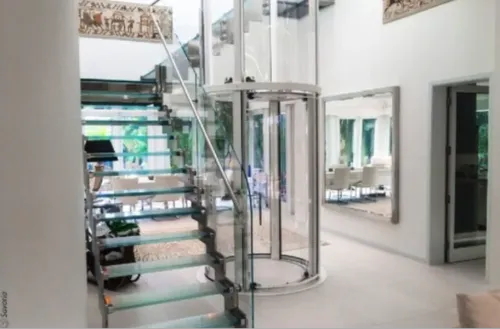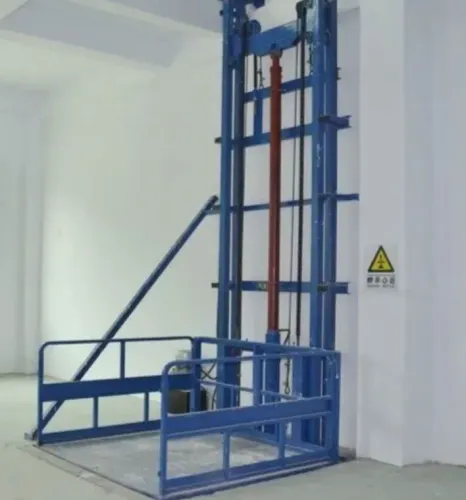
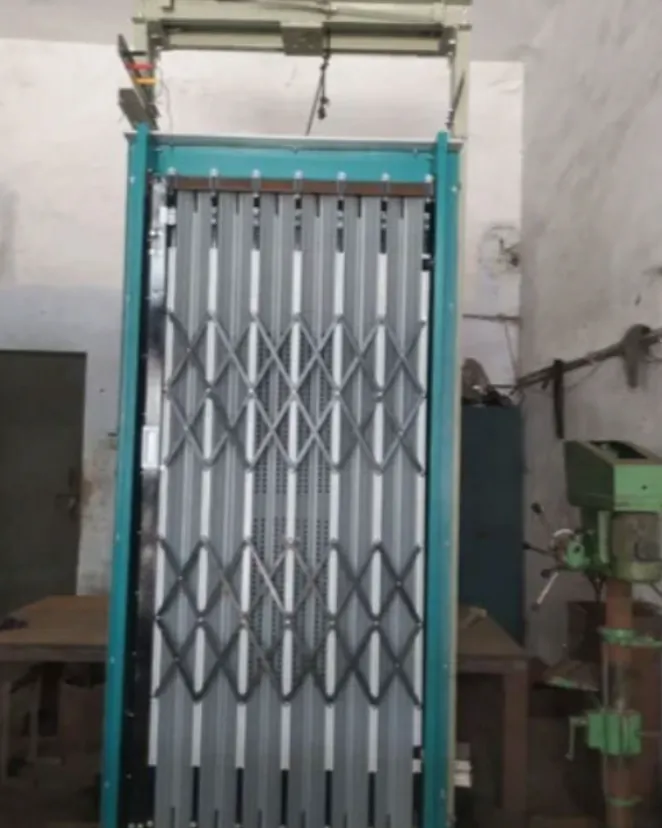
Elevator selection often focuses on capacity and drive technology, but the door configuration can significantly affect usability, project cost, available space, and passenger experience. A Manual Door Passenger Lift remains relevant for certain low-rise and space-conscious applications, while automatic doors are commonly preferred where passenger traffic and convenience are higher.
For property owners in Vadodara, Gujarat, the better option depends on how the building will actually use the elevator.
Understanding Manual Door Operation
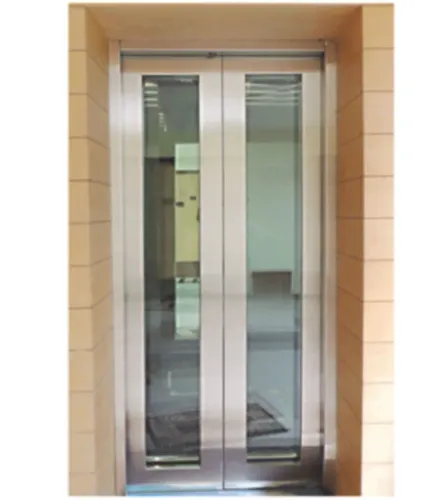
In a manual-door arrangement, users physically operate one or more doors as part of entering or leaving the elevator.
The exact configuration depends on the lift design.
These systems may be considered in private residences, smaller buildings, retrofit projects, or situations where architectural and budget constraints influence equipment selection.
Where Manual Doors Can Make Sense
A Manual Door Passenger Lift may be practical when elevator traffic is relatively low and users are familiar with the system.
Potential applications can include:
- Private homes
- Low-rise residential properties
- Small offices
- Selected retrofit installations
- Buildings with limited lift usage
The decision should still be based on applicable safety requirements and professional assessment rather than cost alone.
Automatic Doors Prioritize Convenience
Automatic doors remove routine manual handling from the passenger journey.
This becomes useful in properties where many different people use the lift throughout the day.
Hotels, hospitals, larger residential developments, commercial buildings, and public-facing premises frequently place greater value on automatic operation because passenger flow and accessibility are more significant considerations.
Compare the User Experience
Think about who will use the elevator.
A lift used mainly by members of one household presents a different operating environment from a commercial lift used by hundreds of visitors.
Properties frequently used by elderly people, patients, wheelchair users, guests carrying luggage, or visitors unfamiliar with the building may benefit from reducing manual interaction.
A developer should therefore evaluate the expected user profile before choosing the door arrangement.
Consider Available Space
Door mechanisms and entrance configurations affect shaft planning.
In retrofit projects, even small dimensional differences can influence feasibility.
Existing columns, staircases, corridors, room layouts, and structural walls may restrict the available lift space. A site survey can establish which configurations can realistically be accommodated without compromising necessary clearances.
Compare Maintenance Requirements
Both manual and automatic systems require proper maintenance.
Automatic doors contain powered operating mechanisms and sensors that need inspection and adjustment. Manual arrangements have their own hinges, locks, contacts, and mechanical components requiring attention.
The relevant question is not whether one system requires maintenance and another does not. Instead, owners should understand the servicing needs of the specific configuration they are considering.
Evaluate Cost Beyond the Initial Quote
Initial equipment price is only one component of elevator ownership.
Property owners should also consider installation requirements, civil work, electrical provisions, maintenance, component replacement, expected usage, and the value placed on passenger convenience.
A cheaper initial configuration may not necessarily be the preferred choice if it creates limitations for the intended building users.
Match the Door to the Property
For a private residence with modest lift usage, a Manual Door Passenger Lift may meet practical requirements. For a busy commercial property or hospital, automatic doors may provide a more appropriate passenger experience.
Neither configuration should be selected simply because it is familiar.
Krisha Engineering can assess factors such as shaft dimensions, number of stops, passenger capacity, building use, and door requirements when discussing elevator options for projects in Vadodara.
The most suitable decision comes from matching the door configuration to passenger behaviour, building constraints, accessibility expectations, and long-term use rather than treating the door as a minor specification.
Keywords