

Warehouses are designed to keep goods moving efficiently, but that efficiency depends on having the right material handling equipment. As businesses expand vertically to maximize storage space, transporting heavy inventory between floors becomes a daily challenge. A warehouse cargo lift addresses this challenge by providing a safe, reliable, and efficient method of moving goods while reducing manual handling and operational delays.
From logistics hubs to manufacturing facilities in Vadodara and across Gujarat, warehouse owners are increasingly investing in cargo lifts that improve productivity and support growing inventory requirements.
Why a Warehouse Cargo Lift Is Important
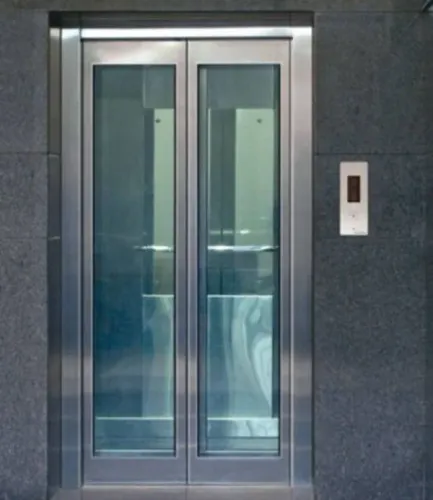
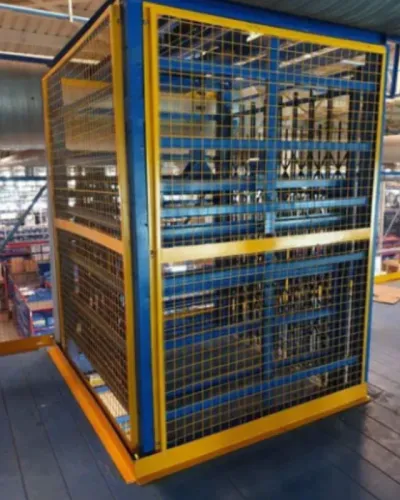
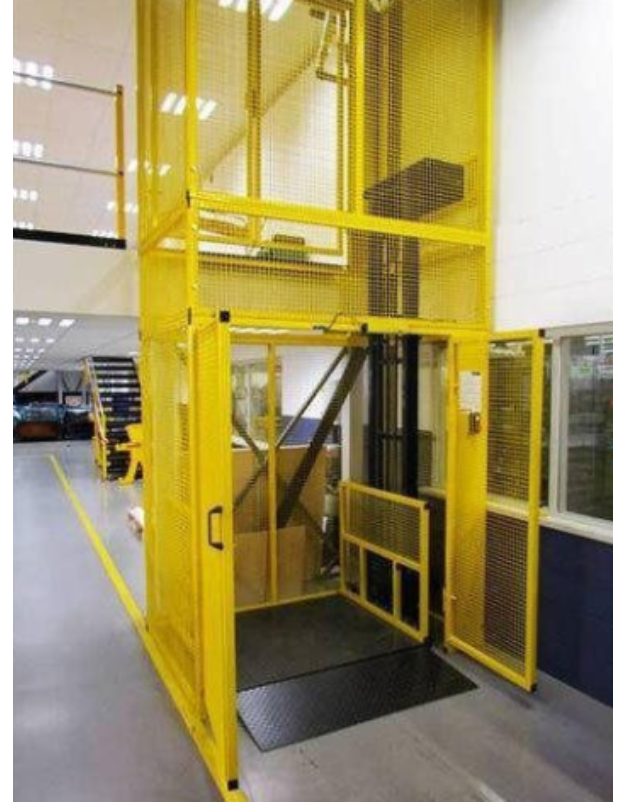
Unlike passenger elevators, warehouse cargo lifts are built specifically to transport materials, pallets, machinery, cartons, and industrial equipment. They are engineered to withstand heavy loads and frequent operation, making them an essential asset in facilities where material movement directly impacts productivity.
A properly selected cargo lift helps businesses:
- Reduce manual lifting
- Improve workplace safety
- Minimize product damage
- Increase operational speed
- Optimize warehouse workflows
- Support higher storage capacities
For businesses handling large volumes of goods every day, these benefits contribute to smoother operations and better resource utilization.
Determine Your Load Capacity Requirements
Before purchasing a warehouse cargo lift, it is important to understand what it will be expected to carry.
Evaluate factors such as:
- Average weight of goods
- Maximum load during peak operations
- Size of pallets or equipment
- Frequency of use
- Future business growth
Choosing a lift with the correct capacity prevents overloading while ensuring the equipment remains efficient throughout its service life.
Consider Platform Size and Accessibility
The platform should comfortably accommodate the materials being transported without creating loading difficulties.
When comparing options, consider:
- Pallet dimensions
- Forklift compatibility
- Trolley movement
- Loading dock access
- Entry and exit clearances
An appropriately sized platform allows warehouse staff to move materials safely and efficiently, reducing handling time.
Focus on Safety Features
Safety should always be a priority when transporting heavy goods between floors.
Modern warehouse cargo lifts typically include features such as:
- Overload protection
- Emergency stop buttons
- Door interlocking systems
- Anti-fall safety mechanisms
- Smooth start and stop controls
- Emergency lowering systems
These features protect both workers and valuable inventory while helping businesses maintain safer working environments.
Evaluate Installation Requirements
Every warehouse has unique structural characteristics, so installation planning is critical.
Important considerations include:
- Available shaft space
- Floor height
- Structural load-bearing capacity
- Electrical supply
- Loading and unloading zones
Proper planning during the design phase helps avoid expensive modifications later and ensures the lift integrates seamlessly into warehouse operations.
Think About Long-Term Maintenance
A cargo lift is a long-term investment that requires routine servicing to maintain reliable performance.
Before choosing a solution, ask about:
- Preventive maintenance schedules
- Spare parts availability
- Service response times
- Warranty coverage
- Technical support
Reliable maintenance reduces unexpected downtime and extends the lifespan of the equipment.
Plan for Future Expansion
Warehouse operations often grow over time. Inventory volumes increase, product ranges expand, and operational demands become more complex.
Selecting a cargo lift that can accommodate future requirements helps businesses avoid premature upgrades and provides greater long-term value.
This forward-looking approach is particularly useful for expanding logistics facilities and industrial warehouses across Gujarat.
Work with an Experienced Engineering Team
Choosing a warehouse cargo lift involves more than selecting a weight capacity. Structural integration, safety compliance, operational efficiency, and future scalability all influence the success of the project.
Krisha Engineering assists warehouse operators, manufacturers, and commercial businesses in Vadodara by evaluating operational needs before recommending suitable cargo lift solutions. This engineering-first approach ensures the lift is designed to support daily workflows while meeting industry standards.
A warehouse cargo lift is an investment in productivity, workplace safety, and operational efficiency. By carefully assessing load capacity, platform dimensions, safety systems, maintenance requirements, and installation planning, businesses can select a solution that supports reliable material handling and contributes to long-term operational success.