An elevator can remain in service for many years, which makes early specification decisions important. Developers sometimes begin by comparing cabin finishes or quotations, but the more fundamental questions concern passenger capacity, traffic, building dimensions, travel, safety provisions, and maintenance.
When selecting an Automatic Passenger Elevator, a structured evaluation can help builders and property owners avoid specifications that look suitable on paper but perform poorly after occupancy.
Start With Building Usage
A residential apartment, hospital, office building, hotel, and commercial complex do not generate the same passenger patterns.
Establish:
- Number of floors
- Approximate building occupancy
- Peak usage periods
- Expected daily lift traffic
- Accessibility requirements
- Number of elevator stops
- Type of users
This information provides a foundation for capacity and configuration decisions.
Calculate Practical Passenger Capacity
Choosing an elevator solely from a stated passenger number can be misleading if actual building traffic has not been considered.
For residential projects, morning and evening movement may create concentrated demand. Offices can experience sharp peaks around working hours. Hospitals have additional requirements involving patients, attendants, staff, and equipment.
Capacity should reflect these real operating patterns.
Examine Shaft Dimensions Early
Elevator planning should ideally happen before structural work becomes difficult to modify.
Architects should coordinate shaft dimensions, pit, overhead requirements, landing openings, structural provisions, and equipment needs with the elevator specification.
For projects under development in Vadodara, Gujarat, early coordination can reduce the risk of discovering later that the intended Automatic Passenger Elevator does not fit the constructed shaft.
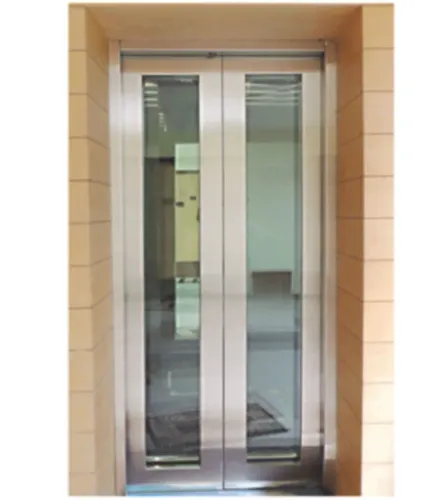
Consider Door Opening Requirements
Cabin capacity means little if the entrance is unsuitable for the intended users.
Door width should account for accessibility, passenger movement, and building type.
Hospitals and accessible developments, for example, may have requirements substantially different from those of a small private building.
Ask About the Control System
The elevator control system manages important aspects of operation, including floor calls, travel sequencing, door operation, and various system responses.
Rather than focusing only on technical terminology, buyers should ask what the control arrangement means for their actual building.
Questions about floor indication, emergency provisions, automatic operation, and expected traffic handling can be more useful than simply comparing specification sheets.
Evaluate Power Requirements
Electrical requirements need to be incorporated into project planning.
The building team should understand the required power supply, electrical provisions, backup arrangements where applicable, and responsibilities for preparing the site.
These requirements should be coordinated before installation rather than handled as an afterthought.
Review Safety Provisions
Safety should be discussed in clear, practical terms.
Buyers should understand the safety components included in the proposed elevator, applicable standards, installation requirements, emergency procedures, and inspection expectations.
Avoid evaluating an elevator based purely on decorative features while leaving safety discussions until the end.
Understand Maintenance Before Purchasing
An elevator is not a fit-and-forget product.
Ask prospective providers about recommended maintenance intervals, service availability, typical wear components, response processes, and spare-part support.
This helps owners understand the responsibilities that begin after commissioning.
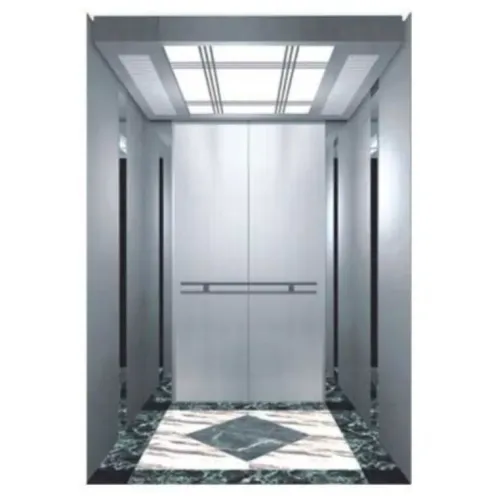
Look Beyond Cabin Appearance
Finishes are important, particularly in residential and commercial properties, but appearance should come after technical suitability.
Krisha Engineering works with elevator requirements in Vadodara, where building types range from individual residences to commercial and institutional projects. A useful quotation should therefore reflect the project's actual dimensions and usage rather than presenting only a generic model.
Before finalizing an Automatic Passenger Elevator, make sure the proposed system fits the building physically, supports expected passenger traffic, provides appropriate access, and has a realistic long-term maintenance plan. Those factors will influence everyday performance far more than decorative choices alone.
Keywords