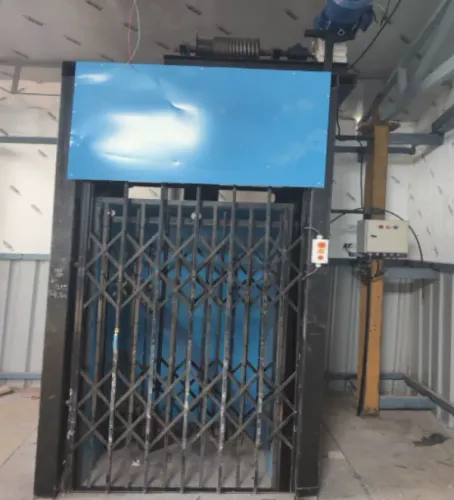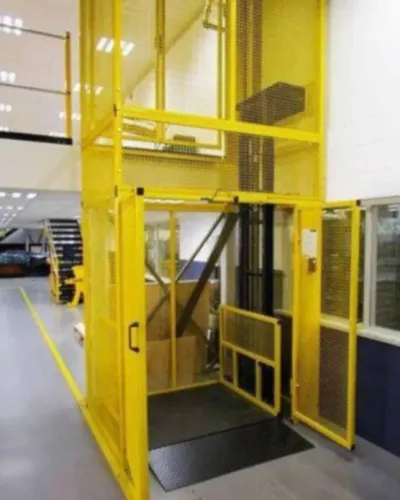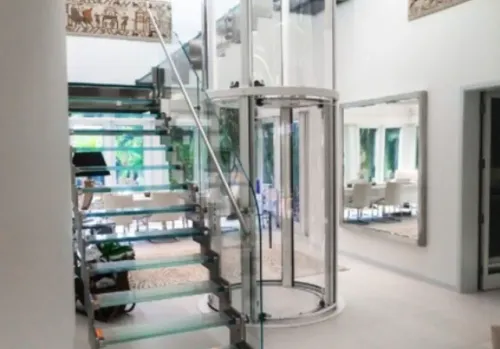


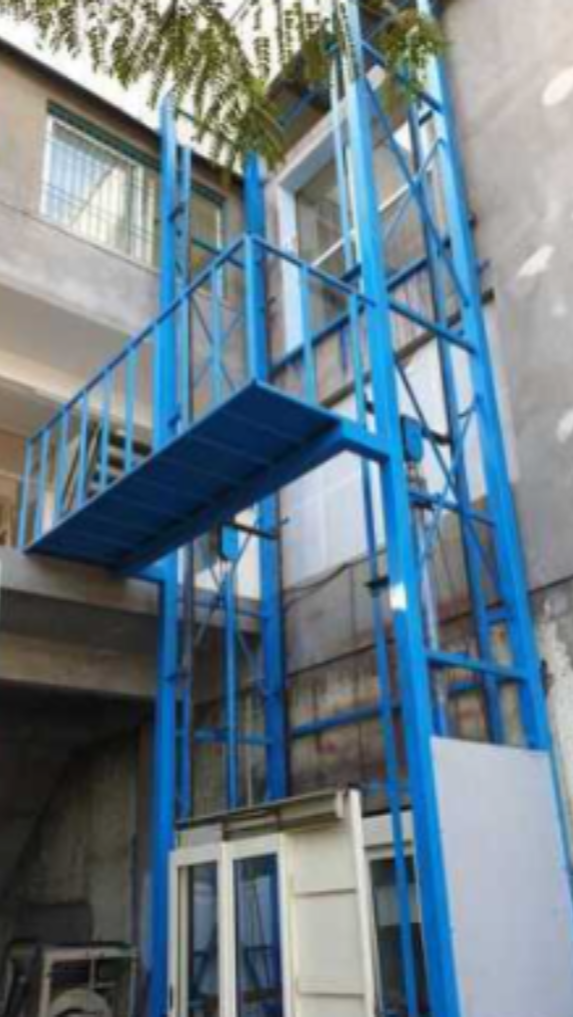
Manufacturing plants often need to move raw materials, components, tools, finished products, and maintenance equipment between different levels. When these movements depend entirely on manual handling, forklifts, or indirect routes, they can consume valuable production time and create unnecessary congestion. This is where an Industrial Lift Manufacturer can help businesses plan a vertical movement system around actual operating requirements.
For factories and industrial facilities in Vadodara and other manufacturing regions of Gujarat, choosing an industrial lift should begin with understanding the material movement process rather than simply selecting a lift based on dimensions or capacity.
Start With What the Lift Will Carry
The first question is not how large the lift should be. It is what needs to travel inside it.
A facility moving cartons has very different requirements from one transporting machine components, drums, pallets, dies, tools, or loaded trolleys. Businesses should document the typical load as well as occasional heavier loads.
Important factors include:
- Maximum expected load weight
- Dimensions of the largest material or trolley
- Number of movements during a working shift
- Loading and unloading method
- Number of floors served
- Whether people need to accompany goods
- Available shaft and installation space
These details influence platform dimensions, rated capacity, door configuration, operating system, and structural requirements.
Think About Loading Conditions
Industrial environments rarely have perfectly controlled loading conditions. Materials may arrive on trolleys, pallets, or wheeled equipment. Repeated loading can place significant demands on the lift platform and entrance area.
The floor should therefore suit the expected operational use. Door width also deserves attention because an adequately sized platform becomes inconvenient when large material cannot pass easily through the entrance.
Where forklifts or pallet handling equipment operate nearby, the surrounding loading area should be considered during planning.
Capacity Should Reflect Real Operations
Choosing capacity only according to the average load can create limitations later. At the same time, selecting an unnecessarily high capacity can increase equipment and infrastructure requirements.
A better approach is to examine actual material movement patterns.
If a Vadodara engineering facility routinely moves 700 kg loads but occasionally needs to transport substantially heavier equipment, those occasional requirements should be discussed before specifications are finalized.
Future production expansion is also worth considering. A lift that suits today's operation may become restrictive if production volumes or material dimensions change.
Safety Features Need to Match the Application
Industrial lifting equipment operates in environments where reliability and controlled movement matter. Appropriate safety arrangements depend on the lift design and intended application.
Depending on the system, considerations may include door interlocks, emergency stopping arrangements, overload protection, limit controls, alarm provisions, suitable landing doors, and mechanisms designed to prevent unsafe operation.
Users should also receive clear operating guidance so that the lift is not routinely overloaded or used outside its intended purpose.
Consider Maintenance Access Early
Maintenance is easier when service requirements have been considered during the design stage.
Equipment location, control access, machine arrangement, shaft accessibility, and working clearance can all affect future inspection and servicing.
For industrial properties in Gujarat where equipment may operate through long production shifts, maintenance accessibility should not be treated as an afterthought.
Site Conditions Shape the Final Design
Two factories requiring the same nominal capacity may still need different lift configurations.
Floor-to-floor height, pit availability, headroom, shaft dimensions, building structure, power supply, door orientation, and surrounding production layout all influence equipment selection.
That is why an accurate site assessment is valuable before fabrication or installation decisions are finalized.
Krisha Engineering works with industrial lift requirements in Vadodara, where manufacturing businesses may have very different material handling conditions across engineering plants, warehouses, workshops, and production facilities.
A properly planned industrial lift should ultimately support the workflow rather than become another bottleneck. Understanding the load, movement frequency, building constraints, safety needs, and future production requirements gives businesses a much stronger foundation for selecting a suitable vertical material handling system.