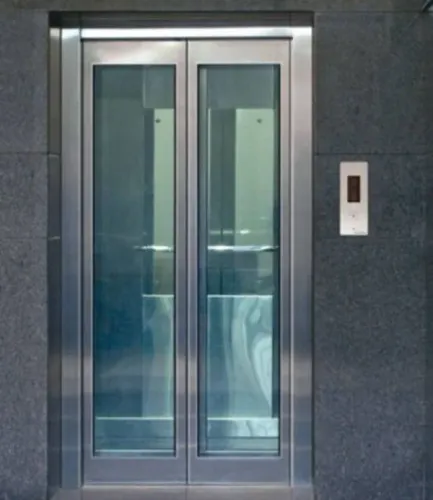


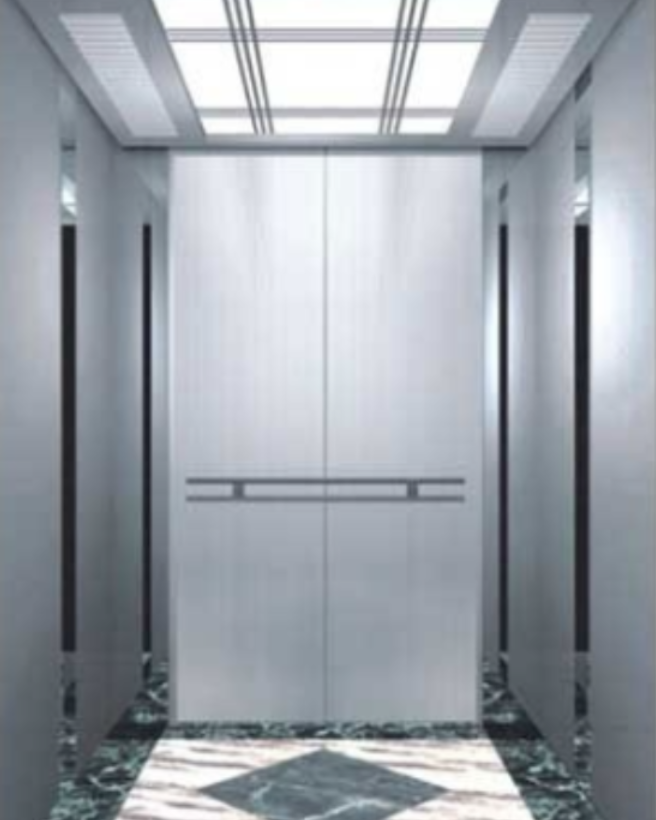
Hospitals rely on uninterrupted vertical transportation every day. Patients, doctors, nurses, medical equipment, stretchers, wheelchairs, and emergency teams all depend on elevators to move quickly and safely throughout the building. Unlike standard commercial lifts, hospital elevators operate under demanding conditions where reliability is directly linked to patient care. Recognising the signs that an elevator needs an upgrade can help healthcare facilities improve safety, efficiency, and overall service quality.
With healthcare infrastructure expanding across Vadodara and Gujarat, hospitals and medical centres are increasingly modernising their lift systems to meet higher patient volumes and evolving operational requirements.
Why Hospital Elevators Have Different Requirements
A hospital elevator performs far more than routine passenger transportation. It must accommodate critical medical equipment and support emergency movement without delays.
Typical daily uses include:
- Transporting patients on stretchers
- Moving wheelchairs between departments
- Carrying medical equipment
- Supporting emergency response teams
- Delivering medicines and supplies
- Facilitating visitor movement
Because these elevators are used continuously, maintaining their performance is essential.
Frequent Breakdowns Are Becoming More Common
One of the clearest indicators that a hospital elevator needs attention is an increase in unexpected breakdowns.
Recurring faults often lead to:
- Delayed patient transfers
- Longer waiting times
- Operational disruptions
- Increased maintenance costs
- Additional pressure on hospital staff
If repairs become more frequent than routine maintenance, replacing or upgrading the system may be more cost-effective than continuing repairs.
Slow Operation Can Affect Patient Care
In healthcare facilities, every minute matters.
Older elevators may experience:
- Longer door opening times
- Reduced travel speed
- Delayed floor response
- Frequent stopping issues
While these problems may appear minor initially, they can significantly affect emergency care and daily hospital operations.
Safety Standards Have Improved
Modern hospital elevators incorporate advanced safety technologies that were not available in older systems.
Important features include:
- Automatic rescue operation
- Emergency communication systems
- Door obstruction sensors
- Backup power integration
- Smooth acceleration and braking
- Intelligent monitoring systems
Upgrading allows hospitals to benefit from improved safety while meeting current engineering and operational standards.
Capacity No Longer Matches Demand
Healthcare facilities often expand over time by adding departments, diagnostic centres, specialised clinics, or additional patient rooms.
As patient numbers increase, elevators designed for lower traffic may struggle to handle demand.
Common signs include:
- Overcrowding
- Long waiting queues
- Frequent overload warnings
- Difficulty transporting medical equipment
A higher-capacity elevator can improve operational efficiency while reducing delays.
Energy Efficiency Should Also Be Considered
Older lift systems generally consume more electricity than modern alternatives.
Newer hospital elevators often include:
- Energy-efficient drive systems
- LED cabin lighting
- Intelligent standby modes
- Advanced motor technology
- Regenerative power systems
These improvements can reduce operating costs without affecting performance.
Accessibility Expectations Continue to Evolve
Modern healthcare facilities are designed to accommodate patients of all ages and mobility levels.
An upgraded hospital elevator should provide:
- Wider doors for stretchers
- Smooth and level floor alignment
- Easy-to-use control panels
- Voice announcements
- Clear visual indicators
- Comfortable cabin dimensions
Improved accessibility benefits both patients and healthcare professionals.
Partner with Experienced Lift Specialists
Hospital elevator upgrades require careful planning because healthcare services cannot be interrupted for extended periods. Project planning should consider structural requirements, patient safety, installation scheduling, and regulatory compliance.
Krisha Engineering supports hospitals, healthcare institutions, and medical facility developers in Vadodara by evaluating existing lift systems and recommending solutions that align with operational requirements and future expansion plans. Their engineering-focused approach helps ensure every installation supports efficient healthcare delivery.
A hospital elevator is one of the most important systems within a healthcare facility. Upgrading at the right time improves safety, enhances patient experience, supports medical staff, and ensures smoother daily operations. By recognising early warning signs and planning proactively, healthcare facilities across Gujarat can invest in elevator systems that continue to meet the demands of modern healthcare for years to come.